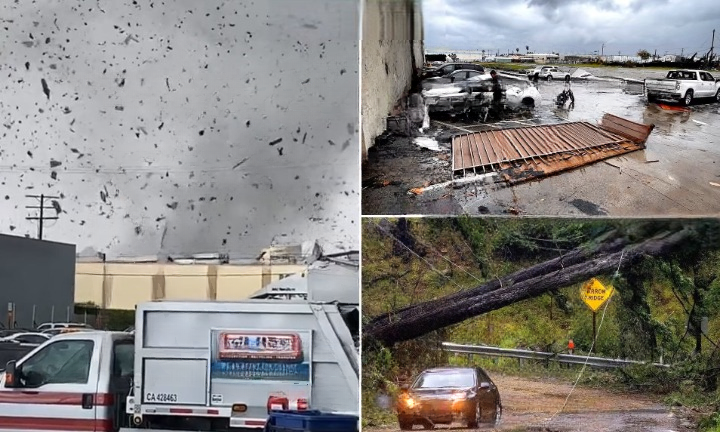
Severe weather events can develop quickly, often giving communities limited time to prepare. Among these events, thunderstorms are some of the most common yet potentially disruptive occurrences. While many storms pass without major consequences, others can intensify rapidly, bringing strong winds, heavy rainfall, lightning, and reduced visibility.
When meteorological conditions indicate that a significant storm system may approach a populated area, it becomes important for residents to stay informed and take practical steps to protect themselves and their surroundings. Understanding how these storms form, what risks they carry, and how to respond can make a meaningful difference in safety outcomes.
This guide provides a clear and balanced overview of severe thunderstorms, their potential impact, and the precautions individuals and communities can take to stay prepared.
Understanding Severe Thunderstorms
A thunderstorm is generally classified as “severe” when it includes conditions that may pose risks to people, property, or infrastructure. These conditions often include:
- Strong wind gusts
- Heavy rainfall over a short period
- Frequent lightning activity
- Sudden changes in visibility
Experts in Meteorology explain that such storms typically form when warm, moist air rises rapidly and interacts with cooler air in the atmosphere. This process can create unstable weather patterns that intensify quickly.
While thunderstorms are common in many regions, their severity can vary widely depending on atmospheric conditions. In some cases, storms may remain mild, while in others, they can escalate into more impactful systems.
Potential Hazards Associated with Strong Storms
Severe thunderstorms can affect daily life in several ways. Even when they pass quickly, their impact can be significant if proper precautions are not taken.
Strong Winds
High wind speeds are one of the primary concerns during intense storms. Gusts can:
- Break tree branches
- Move unsecured outdoor objects
- Affect power lines and electrical infrastructure
These conditions may lead to temporary disruptions and require caution when moving outdoors.
Heavy Rainfall and Localized Flooding
Short periods of intense rainfall can overwhelm drainage systems, especially in urban or low-lying areas. This may result in:
- Water accumulation on roads
- Reduced visibility for drivers
- Temporary flooding in certain locations
Being aware of areas prone to water buildup can help individuals avoid unnecessary risks.
Lightning Activity
Lightning is a natural part of thunderstorms, but it can also pose a safety concern. Strikes can occur both within and around storm systems, sometimes reaching areas that are not experiencing heavy rain.
Taking shelter indoors during periods of active lightning is one of the most effective ways to reduce risk.
Temporary Power Interruptions
Storm conditions can sometimes affect power supply, particularly if strong winds impact infrastructure. While many outages are brief, it is helpful to be prepared with basic supplies.
Staying Informed Before and During a Storm
Access to accurate and timely information is essential during severe weather events. Local authorities and weather services typically provide updates as conditions evolve.
Monitoring reliable sources allows residents to:
- Understand the expected timing of a storm
- Learn about potential impacts in their area
- Receive guidance on recommended safety measures
Keeping a charged mobile device or battery-powered radio can ensure continued access to updates if power interruptions occur.
Practical Steps for Household Preparedness
Preparing your home in advance can help minimize the effects of severe weather. Simple actions taken before a storm arrives can reduce potential risks.
Secure Outdoor Items
Loose objects such as garden furniture, tools, or decorations can be moved or secured to prevent them from being displaced by strong winds.
Check Windows and Doors
Ensuring that windows and doors are properly closed helps keep rain and wind from entering your home. In some cases, reinforcing vulnerable areas may provide additional protection.
Prepare Basic Supplies
Having essential items readily available can make it easier to manage short disruptions. Consider keeping:
- Flashlights and spare batteries
- Drinking water
- Non-perishable food items
- A first-aid kit
These items are useful for general preparedness and do not require extensive planning.
Safe Practices During the Storm
When a thunderstorm is actively affecting your area, certain precautions can help maintain safety.
Stay Indoors
Remaining inside a secure building is one of the most effective ways to avoid exposure to wind, rain, and lightning. Avoid open spaces or areas with limited shelter.
Avoid Contact with Electrical Devices
During periods of lightning, it is advisable to limit the use of electrical appliances connected to outlets. This reduces the chance of damage or disruption.
Keep Away from Windows
Strong winds or debris may affect windows, so maintaining a safe distance can provide an extra layer of protection.
Travel and Transportation Considerations
Storm conditions can affect road safety, making travel more challenging. Drivers and pedestrians alike should exercise caution.
For Drivers
- Reduce speed to account for wet or slippery roads
- Maintain a safe distance from other vehicles
- Use headlights to improve visibility
- Avoid driving through standing water
If conditions worsen significantly, delaying travel until the storm passes may be the safest option.
For Pedestrians
- Seek shelter in a sturdy building
- Avoid tall structures, open fields, and isolated trees
- Stay clear of metal objects or surfaces
Taking these steps can help reduce exposure to potential hazards.
Supporting Others in the Community
Severe weather events can affect individuals differently, particularly those who may require additional assistance. Checking on neighbors, especially older adults or those with limited mobility, can be a helpful and supportive action.
Community awareness and cooperation contribute to overall safety and resilience. Simple gestures, such as sharing information or offering assistance, can make a positive difference.
After the Storm Passes
Once the storm has moved through, it is important to remain cautious as conditions may still present risks.
Assess Your Surroundings
Look for any visible damage, such as fallen branches or debris, before moving around. Being aware of your environment can help prevent accidents.
Avoid Downed Power Lines
If you encounter fallen electrical lines, keep a safe distance and report them to local authorities or utility providers.
Resume Activities Gradually
Returning to normal routines can be done once it is clear that conditions have stabilized and it is safe to do so.
The Role of Emergency Services
During severe weather events, emergency services work to monitor conditions, respond to incidents, and provide assistance where needed. Their efforts are part of a broader system designed to support public safety.
Following guidance from local authorities helps ensure that resources can be used effectively and that individuals receive accurate information.
Long-Term Preparedness and Awareness
While individual storms may pass quickly, developing long-term awareness can improve readiness for future events. This includes:
- Understanding seasonal weather patterns
- Familiarizing yourself with local emergency procedures
- Maintaining a basic emergency plan
Preparedness is an ongoing process that benefits from regular review and adjustment.
The Importance of Staying Calm and Informed
Severe weather can create uncertainty, but maintaining a calm and informed approach helps individuals make better decisions. Relying on verified information rather than speculation ensures that actions are based on accurate guidance.
By focusing on practical steps and staying aware of changing conditions, residents can navigate weather events with greater confidence.
Final Thoughts
Thunderstorms are a natural part of weather systems, and while many are manageable, some can bring more intense conditions. Understanding the potential risks and knowing how to respond are key components of staying safe.
Preparation does not need to be complicated. Simple actions—such as securing your home, staying informed, and adjusting travel plans—can significantly reduce risk. At the same time, community awareness and cooperation strengthen the overall response to such events.
By approaching severe weather with awareness and preparedness, individuals can protect themselves, support others, and minimize disruption. Staying informed, taking reasonable precautions, and remaining attentive to official guidance are the most effective ways to ensure safety during changing weather conditions.