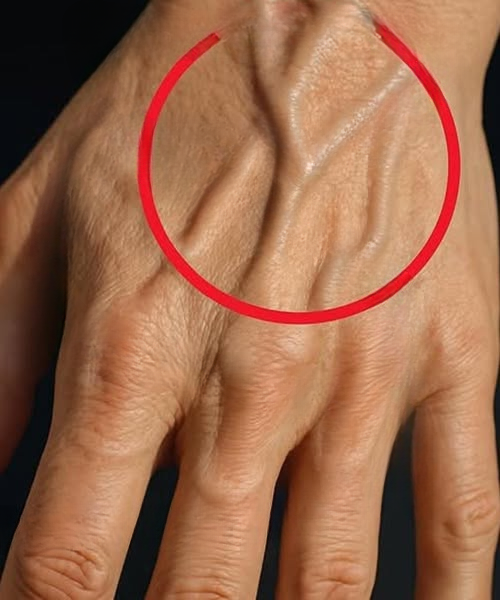
Veins are an essential part of the circulatory system, carrying blood back to the heart and keeping the body functioning properly. But sometimes, veins become unusually prominent, raising questions and concerns. If you notice someone with bulging veins — especially bright blue ones — it’s important to understand what might be happening, why it occurs, and when it could be a sign of something more serious.
This guide will explain why veins can become visible, the health implications of bulging veins, and practical steps to maintain vein health.
Understanding Veins and Their Function
Veins are blood vessels that carry deoxygenated blood from the body back to the heart. They differ from arteries, which carry oxygen-rich blood away from the heart. Most veins are located deep within the body, but a network of superficial veins lies just under the skin. These superficial veins are often visible, especially in certain conditions.
Visible veins are not always a cause for concern. In fact, for many people, seeing veins pop through the skin is a natural part of aging, genetics, or lifestyle factors.
Why Veins Become Visible
Several factors can make veins more prominent. Understanding these can help differentiate normal variations from potential health issues.
Skin and Body Composition
People with lighter skin tones or thin body frames tend to have more visible veins. This is because there is less fat under the skin to conceal the vein network. As people age, their skin naturally becomes thinner, making veins stand out more.
Physical Activity and Muscle Development
Athletes and individuals who engage in regular strength training may notice veins protruding more. During exercise, muscles swell and push veins closer to the surface. This is why bodybuilders and weightlifters often display the highly visible veins, sometimes called “vascularity.”
Pregnancy
Pregnancy increases blood volume and places additional pressure on the circulatory system. As a result, veins in the hands, legs, and feet may become more prominent. While this is usually temporary, it can be surprising to those experiencing it for the first time.
Genetics
Genetic predisposition plays a significant role in how visible veins are. If parents or grandparents have prominent veins, it’s likely their descendants may experience the same.
When Bulging Veins Might Be More Than Cosmetic
While visible veins are often harmless, there are situations where they can indicate underlying health issues.
Varicose Veins
Varicose veins occur when veins become stretched, twisted, or weakened. They often appear as rope-like, thickened, or zigzag patterns under the skin. Common locations include the legs, but they can sometimes appear in the hands or arms.
Varicose veins can be painful or uncomfortable and may cause swelling, itching, or a burning sensation. Though often not immediately dangerous, they may signal circulatory issues that should be monitored by a healthcare professional.
Signs of Blood Clots
Bulging veins can occasionally indicate the presence of a blood clot, such as deep vein thrombosis (DVT). DVT occurs when a clot forms in a deep vein, often in the legs, and can cause pain, swelling, redness, and warmth in the affected area.
If a clot dislodges, it can travel to the lungs, causing a potentially fatal pulmonary embolism. Warning signs include:
- Sudden swelling in one limb
- Pain or tenderness in the vein area
- Warmth or redness on the skin over the vein
- Veins that appear hard or unusually prominent
If any of these symptoms are present, it is crucial to seek medical attention immediately.
Other Circulatory Issues
Persistent or unusually large veins can sometimes signal other vascular conditions, such as chronic venous insufficiency or vascular malformations. These conditions affect blood flow and can lead to long-term complications if left untreated.
Practical Steps to Maintain Healthy Veins
Even if bulging veins are harmless, there are proactive steps people can take to support vein health and circulation.
Stay Active
Regular movement helps keep blood flowing efficiently. Simple activities such as walking, stretching, or using a stationary bike can prevent blood pooling in the veins, reducing pressure and visibility.
Maintain a Healthy Weight
Excess body weight places additional pressure on the veins, especially in the legs. Maintaining a healthy weight can reduce the risk of varicose veins and other vascular issues.
Avoid Prolonged Sitting or Standing
Long periods of immobility can contribute to vein problems. If your job requires sitting or standing for long stretches, make a point to take breaks, walk around, or stretch your limbs.
Quit Smoking
Tobacco use damages blood vessels and impairs circulation, increasing the risk of vein issues and cardiovascular disease. Quitting smoking benefits both vein health and overall well-being.
Wear Loose Clothing
Tight clothing, especially around the waist, thighs, or arms, can restrict blood flow. Choosing comfortable, loose-fitting clothing supports healthy circulation.
Use Compression Stockings
For individuals prone to varicose veins or who are experiencing swelling, compression stockings can help improve blood flow and reduce vein prominence. These stockings provide gentle pressure to support the veins and prevent blood from pooling.
Medical Treatments for Varicose Veins
If lifestyle adjustments are insufficient or varicose veins cause discomfort, medical interventions may be considered. Treatment options include:
- Sclerotherapy: A procedure where a solution is injected into the vein, causing it to collapse and fade over time.
- Laser Therapy: Uses focused light to close off veins.
- Surgery: In severe cases, surgical removal of affected veins may be necessary.
A healthcare professional can recommend the most appropriate treatment based on the severity of the condition and the patient’s overall health.
Key Takeaways About Bulging Veins
While visible veins are often normal, there are a few important points to remember:
- Natural Variations Are Common: Lighter skin, thin body composition, and physical activity can all make veins more visible without indicating any health problem.
- Monitor for Symptoms: Pain, swelling, redness, warmth, or sudden changes in veins should not be ignored. These may be signs of a more serious issue, such as a blood clot.
- Healthy Habits Support Vein Health: Regular movement, weight management, and avoiding smoking all contribute to better circulation.
- Consult a Healthcare Professional: If there are concerns about vein changes or discomfort, a doctor or vascular specialist can provide evaluation and treatment options.
Understanding the Statistics
Vein visibility is a widespread phenomenon. Approximately one in three adults experience varicose veins at some point in their lives. While this condition is more common in older adults, it can affect younger people, particularly those with genetic predispositions or lifestyle factors that increase vein pressure.
Understanding these statistics can reassure individuals that bulging veins are often normal, while also emphasizing the importance of monitoring for warning signs.
Special Considerations for At-Risk Groups
Some people may be more susceptible to vein issues and should take extra care to monitor their circulation:
- Pregnant Women: Increased blood volume and hormonal changes can temporarily enlarge veins. Regular exercise and proper rest can mitigate discomfort.
- Elderly Individuals: Aging skin and reduced elasticity contribute to vein prominence. Maintaining an active lifestyle supports vein health.
- Athletes: Intensive training can cause temporary vein enlargement. Ensuring proper hydration and rest helps minimize vascular stress.
- Individuals with a Family History: Genetics play a significant role, so early awareness and preventive habits are crucial.
When to Seek Immediate Medical Help
While most visible veins are harmless, some warning signs indicate a need for prompt medical attention:
- Sudden, severe pain in a limb
- Swelling, redness, or warmth in one area
- Hard, cord-like veins
- Shortness of breath or chest pain (which could indicate a pulmonary embolism)
Ignoring these symptoms can result in severe complications. Timely intervention is essential to prevent lasting damage or life-threatening conditions.
Conclusion: Don’t Panic, but Stay Informed
Visible veins, including bulging or blue veins, are often a natural part of the human body. They can be influenced by genetics, lifestyle, and physical activity. In most cases, there is no cause for concern, and adopting healthy habits can maintain vein function and circulation.
However, bulging veins can sometimes signal varicose veins or serious vascular conditions, including blood clots. Paying attention to changes, understanding the risks, and consulting healthcare professionals when necessary are crucial steps in preserving vascular health.
Remember: veins are more than just a cosmetic feature. They provide vital information about circulation, overall cardiovascular health, and even early warning signs of potential problems. By staying informed and proactive, individuals can take control of their vein health and ensure that visible veins remain a sign of normal physiology, not a hidden risk.