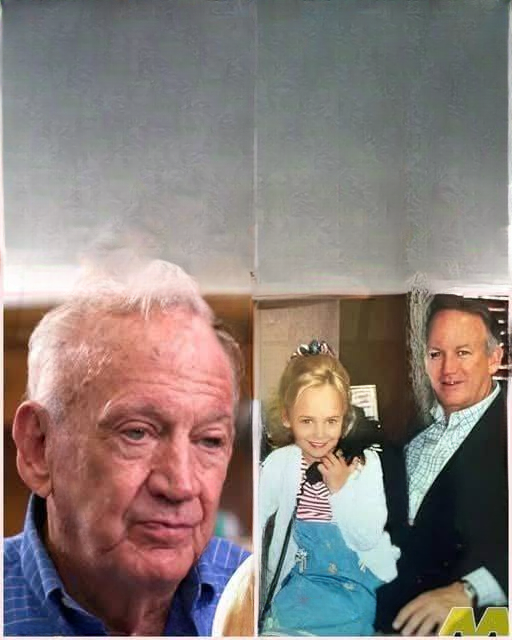
For nearly three decades, the case involving JonBenét Ramsey has remained one of the most widely discussed unsolved investigations in the United States. Since December 1996, when the six-year-old was found deceased in her family home in Boulder, the case has drawn attention from law enforcement professionals, forensic experts, journalists, and the public.
Over the years, it has come to represent both the challenges of complex investigations and the evolving nature of forensic science. While the case remains officially unsolved, recent advancements in technology have renewed efforts to analyze evidence and explore new investigative avenues.
A Case That Captured National Attention
When the case first emerged, it quickly became a major national story. The circumstances surrounding the incident, combined with intense media coverage, led to widespread public interest.
However, this attention also created challenges. Early reporting often included speculation, and the rapid spread of unverified information contributed to confusion about the facts of the case.
Law enforcement agencies faced the difficult task of conducting a thorough investigation while managing intense public scrutiny. Over time, the case became an example frequently referenced in discussions about media influence on criminal investigations.
Early Investigation Challenges
The initial stages of the investigation were complex and, in some respects, difficult to manage. Reports have indicated that the crime scene was not preserved according to modern standards, which may have affected the collection and interpretation of evidence.
At the time, forensic science tools were also more limited than they are today. DNA analysis, in particular, was still developing, and techniques available in the late 1990s did not allow for the level of precision that exists now.
Investigators pursued multiple lines of inquiry, including examining individuals close to the family as well as considering the possibility of an external suspect. Over time, these different theories became the subject of ongoing debate.
The Role of DNA Evidence
One of the most significant developments in the case came with advances in DNA testing. Genetic material collected from the scene was later analyzed using improved techniques.
This analysis identified DNA belonging to an unknown individual. Importantly, this finding contributed to the formal exclusion of immediate family members as suspects.
In 2008, then–district attorney Mary Lacy publicly acknowledged these findings and issued a statement clearing the family of suspicion based on the available evidence.
While this marked an important milestone, the identity of the individual associated with the DNA profile has not yet been confirmed. As a result, the case has remained open.
Advances in Forensic Science
In recent years, forensic science has undergone significant transformation. New technologies have expanded the ability of investigators to analyze evidence that was previously considered too limited or degraded.
Key developments include:
1. Enhanced DNA Sequencing
Modern DNA sequencing techniques can extract usable genetic information from extremely small samples. This includes “touch DNA,” which may be left behind when a person handles an object.
2. Investigative Genetic Genealogy (IGG)
Investigative genetic genealogy involves comparing unknown DNA profiles with publicly available genealogical databases. By identifying distant relatives, investigators can build family trees and narrow down potential suspects.
This method has been used successfully in other cases, such as the identification of suspects in long-unsolved investigations.
3. Improved Evidence Preservation and Analysis
Advancements in laboratory methods now allow for more accurate testing of older evidence. Items collected decades ago can be re-examined using updated techniques, sometimes yielding new insights.
Ongoing Efforts by Law Enforcement
Authorities, including the Boulder Police Department and the Colorado Bureau of Investigation, have continued to review the case.
Officials have stated that it remains an active investigation, and they are committed to following new leads as they emerge. Collaboration with federal agencies and forensic experts has also played a role in ongoing efforts.
Leadership changes within investigative teams have brought fresh perspectives, with renewed emphasis on applying modern scientific methods to existing evidence.
Re-Examining Evidence
One of the most important aspects of current efforts involves revisiting physical evidence collected during the original investigation.
Items that are being re-evaluated may include:
- Clothing and materials associated with the case
- Objects found at the scene
- Previously tested samples that may yield additional data with modern methods
This process reflects a broader trend in law enforcement, where cold cases are revisited using updated technology and methodologies.
The Importance of Responsible Reporting
The case has also highlighted the importance of responsible journalism. Over the years, public discussion has sometimes included speculation that was not supported by verified evidence.
Today, there is greater awareness of the need to:
- Rely on confirmed information
- Avoid drawing conclusions without evidence
- Respect the privacy and dignity of those involved
This approach helps ensure that coverage remains accurate and respectful.
The Role of Public Interest
Public interest has played a significant role in keeping attention on the case. While this attention can support awareness, it also underscores the importance of distinguishing between verified facts and speculation.
Community engagement, when informed and responsible, can contribute positively by encouraging transparency and supporting ongoing investigative efforts.
Understanding Cold Cases
The JonBenét Ramsey case is often cited as an example of a “cold case,” a term used to describe investigations that remain unsolved after an extended period.
Cold cases present unique challenges, including:
- Passage of time affecting evidence and witness availability
- Changes in investigative personnel
- Evolving forensic standards
However, advancements in technology have significantly improved the ability to revisit and potentially resolve such cases.
The Human Impact
Beyond the investigative aspects, it is important to recognize the human dimension of the case.
The loss of a young life has had a lasting impact on family members, the local community, and those who have followed the case over the years.
Discussions about the case should be approached with sensitivity, focusing on facts and avoiding unnecessary speculation.
The Future of the Investigation
While no definitive conclusion has been announced, ongoing developments in forensic science continue to offer new possibilities.
Investigators are working methodically to:
- Refine DNA profiles
- Explore genealogical connections
- Evaluate new leads
Progress in such cases often occurs gradually, and patience is an important part of the process.
Lessons from the Case
The case has contributed to broader discussions about:
- The importance of proper crime scene management
- The role of forensic science in modern investigations
- The impact of media coverage on public perception
- The value of persistence in seeking answers
These lessons have influenced how similar cases are handled today.
A Measured Perspective
It is important to approach updates about the case with a balanced perspective. While technological advancements are promising, they do not guarantee immediate results.
Responsible reporting focuses on:
- What is confirmed
- What remains under investigation
- What steps are being taken moving forward
This approach ensures that information remains accurate and constructive.
Conclusion: Continuing the Search for Answers
The ongoing work surrounding the JonBenét Ramsey case reflects both the challenges and the possibilities of modern investigative efforts.
Advances in forensic science, combined with renewed commitment from law enforcement, have created opportunities to revisit evidence and explore new directions.
While the case remains unresolved, the continued application of scientific methods and careful investigation offers hope that additional clarity may emerge in the future.
Ultimately, the focus remains on seeking truth through responsible, evidence-based processes—ensuring that the case is approached with the care, accuracy, and respect it deserves.