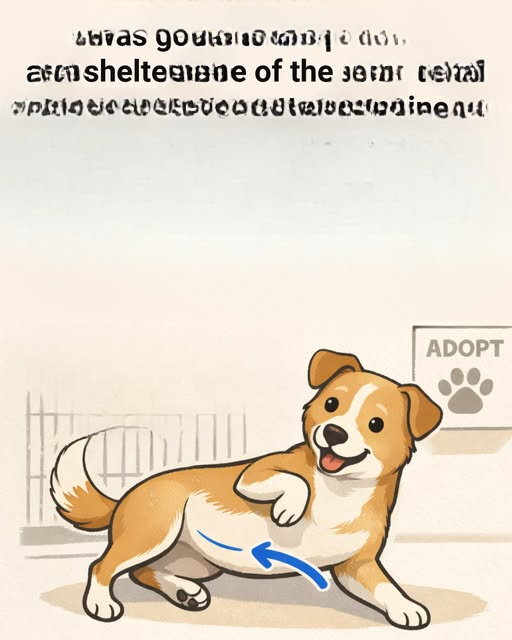
If you’ve ever gently rolled a dog onto its back during playtime or a belly rub and noticed a small blue or green line tattoo near the center of the abdomen, you may have paused in curiosity. The mark is usually thin, subtle, and positioned close to what looks like a surgical scar. For someone unfamiliar with veterinary practices, the immediate reaction might be confusion:
“Why does this dog have a tattoo?”
The idea of tattooing animals can sound unusual at first, especially if we associate tattoos primarily with personal expression in humans. However, in this case, the blue line is not decorative, cosmetic, or artistic. It serves a practical and important medical purpose.
A blue line tattoo on a dog typically indicates that the dog has been spayed or neutered. It is a small but meaningful marker placed by a veterinarian during sterilization surgery. This simple visual cue helps prevent unnecessary procedures, reduces medical risks, and supports responsible animal care.
In this comprehensive guide, we’ll explore:
-
What the blue line tattoo means
-
Why veterinarians use it
-
The benefits of spaying and neutering
-
How it helps shelters and rescue organizations
-
Common misconceptions
-
Whether it is safe and humane
-
What responsible pet owners should know
By the end of this article, you’ll understand why this small blue mark plays a significant role in animal welfare.
Understanding the Blue Line Tattoo
What Does the Blue Line Indicate?
The blue (sometimes green) line tattoo placed on a dog’s abdomen is a permanent marker that indicates the dog has been spayed (if female) or neutered (if male).
Spaying and neutering are surgical procedures performed to prevent reproduction:
-
Spaying involves removing a female dog’s ovaries (and typically the uterus).
-
Neutering involves removing a male dog’s testicles.
After the surgery is completed, some veterinarians apply a small tattoo line near the incision site before the dog wakes up from anesthesia. This tattoo serves as a permanent, visible confirmation that sterilization has already been performed.
It is not decorative.
It is not cosmetic.
It is not a trend.
It is a medical identifier.
Why Use a Tattoo Instead of Just a Scar?
You might wonder: isn’t the surgical scar enough?
While a scar is often present, it may not always remain visible. Over time:
-
Fur grows back.
-
Scars fade.
-
Skin stretches.
-
Incisions become harder to detect.
In situations where a dog’s medical history is unknown—such as when a dog is rescued, surrendered, adopted, or found as a stray—it may be difficult to determine whether sterilization has already been performed.
The blue line tattoo eliminates that uncertainty.
It provides a clear, permanent indicator that can prevent unnecessary exploratory surgery.
Why the Tattoo Is Important
1. Preventing Unnecessary Surgery
Without documentation or visible confirmation, veterinarians may have to perform exploratory surgery to determine whether a female dog has already been spayed. This involves anesthesia, incision, and risk.
If a blue line tattoo is present, it immediately signals that the procedure has already been completed, sparing the dog from:
-
Additional anesthesia exposure
-
Surgical risk
-
Recovery time
-
Discomfort
This simple mark can prevent avoidable medical intervention.
2. Helping Animal Shelters and Rescue Groups
Animal shelters and rescue organizations frequently care for dogs with incomplete or missing medical records. Many animals arrive with unknown histories.
The tattoo allows staff to quickly determine sterilization status without delay.
This is especially valuable because shelters often operate with limited budgets and resources. Avoiding duplicate procedures:
-
Saves funding
-
Reduces stress on animals
-
Speeds up adoption readiness
In high-volume rescue environments, small efficiencies make a big difference.
3. Supporting Responsible Pet Ownership
Spaying and neutering are widely recognized as responsible components of pet care. The tattoo acts as a permanent acknowledgment that this important step has been taken.
It signals:
-
The dog cannot reproduce
-
The owner or organization acted responsibly
-
The dog’s population impact has been addressed
While the tattoo itself is small, it represents a larger commitment to animal welfare.
Why Is the Line Blue (or Green)?
The color is chosen for visibility and practicality.
Blue or green ink:
-
Shows up clearly against most skin tones
-
Remains visible even as fur regrows
-
Is easy for veterinarians to identify
-
Has become standardized in many clinics
The choice is not symbolic—it is functional.
Using a consistent color ensures that veterinary professionals and shelter workers recognize the meaning immediately.
The Health Benefits of Spaying and Neutering
Understanding the tattoo also means understanding the importance of the procedure it represents.
For Female Dogs
Spaying can reduce the risk of:
-
Uterine infections
-
Ovarian cancer
-
Certain mammary tumors
It also eliminates heat cycles, which can reduce stress and behavioral challenges.
For Male Dogs
Neutering can reduce the risk of:
-
Testicular cancer
-
Certain prostate issues
It may also decrease behaviors such as roaming, marking, and some types of aggression.
For the Community
Spaying and neutering help:
-
Reduce overpopulation
-
Lower the number of homeless animals
-
Ease overcrowding in shelters
-
Decrease euthanasia rates
Each sterilized dog represents prevention of unplanned litters that could strain animal welfare systems.
The tattoo is a visible reminder of this broader benefit.
Addressing Common Concerns
“Is Tattooing a Dog Safe?”
Yes. When performed during surgery, the tattoo is applied while the dog is under anesthesia. The dog does not feel the tattoo being placed.
The procedure involves:
-
A small amount of sterile ink
-
A simple line placed in the skin
-
Minimal additional time during surgery
It is considered safe and humane.
“Is It Painful?”
Because the tattoo is applied while the dog is already anesthetized for sterilization surgery, the dog does not experience additional discomfort beyond the standard procedure.
Post-operative care focuses on the incision site, not the tattoo.
“Is It Required?”
Not all veterinarians use the blue line tattoo. Some rely solely on:
-
Surgical records
-
Microchip data
-
Owner documentation
However, many shelters and high-volume clinics strongly recommend or routinely apply it due to its practical advantages.
Microchips vs. Tattoos: What’s the Difference?
It’s important to distinguish between identification methods.
Microchip
-
Implanted under the skin
-
Contains identification number
-
Requires scanner to read
-
Used to reunite lost pets with owners
Blue Line Tattoo
-
Visible without equipment
-
Indicates sterilization only
-
Does not contain owner information
-
Used to prevent duplicate surgery
They serve completely different purposes and are often used together.
Why Documentation Alone Isn’t Enough
Paper records can be:
-
Lost
-
Damaged
-
Incomplete
-
Misplaced during rehoming
Dogs may pass through multiple homes or rescue groups over their lifetime.
The tattoo remains with the dog permanently, regardless of paperwork.
It is simple, reliable, and immediate.
The Role of Standardization in Veterinary Medicine
Standard practices improve clarity and reduce confusion. The blue line tattoo has become widely recognized in veterinary and rescue communities.
Consistency matters because:
-
Veterinary staff rotate across clinics
-
Rescue workers handle large volumes of animals
-
Emergency care may occur without prior records
A universally recognized marker helps ensure continuity of care.
Ethical Considerations
The tattoo raises an interesting ethical discussion about medical marking.
However, several factors make it widely accepted:
-
It is applied during necessary surgery
-
It prevents future medical risk
-
It protects the dog from repeat procedures
-
It promotes welfare and safety
Unlike cosmetic tattooing, this practice is purely functional and welfare-oriented.
When Might You See the Tattoo?
You are most likely to notice it:
-
During grooming
-
At a veterinary exam
-
When a dog rolls over
-
While adopting from a shelter
The line is typically small and subtle. Many owners never notice it unless specifically looking.
What If You Don’t See a Tattoo?
Not seeing a tattoo does not automatically mean a dog is unsterilized.
Some veterinarians:
-
Do not use tattoos
-
Use alternative marking methods
-
Rely on documentation
If there is uncertainty, a veterinarian can evaluate safely.
Should You Request the Tattoo?
If you are scheduling a spay or neuter procedure, you can ask your veterinarian whether they apply a sterilization tattoo.
In many cases:
-
It is included automatically
-
There is no additional charge
-
It adds minimal time to the procedure
Most experts consider it a helpful precaution.
The Bigger Picture: Responsible Animal Care
The blue line tattoo represents more than just a medical marker.
It reflects:
-
Commitment to preventing overpopulation
-
Thoughtful veterinary standards
-
Long-term planning for animal welfare
-
Community-minded pet ownership
Each sterilized dog contributes to a larger effort to ensure that fewer animals experience homelessness or neglect.
Final Thoughts
If you ever see a small blue or green line tattoo on a dog’s abdomen, there’s no reason for concern. It is not decorative, experimental, or cosmetic.
It is a practical, humane, and widely recognized indicator that the dog has been spayed or neutered.
This simple line:
-
Prevents unnecessary surgery
-
Supports shelters and rescues
-
Reduces medical risk
-
Reflects responsible ownership
-
Promotes animal welfare
Sometimes, the smallest marks carry the most meaningful purpose.
The blue line tattoo is one of those marks—a quiet but important symbol of thoughtful care and long-term protection for our canine companions.