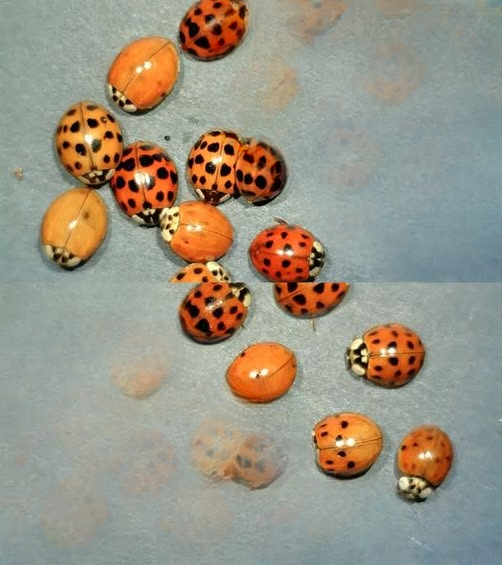
Ladybugs are among the most recognizable and widely admired insects in the world. With their rounded shapes, delicate wings, and bright colors, they have captured human attention for centuries. Most people picture the classic red ladybug with black spots when they hear the name. That familiar image has become a symbol of good luck, protection, and healthy gardens.
But what happens when you encounter a ladybug that isn’t red at all?
If you spot a yellow ladybug resting on a leaf, walking across a windowsill, or landing briefly on your hand, you might pause in curiosity. Is it rare? Does it mean something special? Is it a different species? And why is it yellow in the first place?
In this in-depth guide, we’ll explore everything you need to know about yellow ladybugs. We’ll examine:
-
The symbolism often associated with yellow ladybugs
-
The science behind their coloration
-
Their ecological importance
-
The differences between species
-
Cultural beliefs and folklore
-
Common myths and misunderstandings
-
What to do if you see one
Whether you’re a nature enthusiast, gardener, or simply someone who appreciates the small wonders of the outdoors, understanding yellow ladybugs can deepen your appreciation for the natural world.
Understanding Ladybugs: A Brief Introduction
Ladybugs are beetles belonging to the family Coccinellidae. In North America, they are commonly referred to as “ladybugs,” while in some other English-speaking regions they’re known as “ladybirds” or “lady beetles.”
There are thousands of species worldwide, and they come in a surprising range of colors, including:
-
Red
-
Orange
-
Yellow
-
Black
-
Pink
-
Even patterned combinations
Color variation is normal and serves important biological functions, which we’ll explore shortly.
Yellow ladybugs are not unusual or defective. They are simply one variation within a diverse and fascinating insect family.
The Symbolism of Yellow Ladybugs
Throughout history, ladybugs have carried symbolic meanings in many cultures. While much of this symbolism centers around red ladybugs, yellow ones are often interpreted in similar—yet slightly distinct—ways.
It’s important to note that symbolism is cultural and personal rather than scientific. However, many people find meaning and comfort in these interpretations.
1. A Symbol of Good Fortune
Ladybugs in general are widely regarded as symbols of good luck. In European folklore, it was believed that if a ladybug landed on you, prosperity or blessings would soon follow.
Yellow ladybugs carry that same general association with good fortune. However, some interpretations suggest that the yellow color adds a layer of optimism and joyful change rather than purely financial or material luck.
If you enjoy symbolic interpretations, seeing a yellow ladybug may feel like a reminder to stay hopeful and open to positive developments.
2. Joy, Warmth, and Positivity
The color yellow is strongly associated with sunshine, warmth, and happiness. Psychologically, yellow often represents:
-
Optimism
-
Energy
-
Creativity
-
Cheerfulness
When combined with the gentle image of a ladybug, the symbolism can feel uplifting. Many people interpret a yellow ladybug encounter as a subtle reminder to focus on positive aspects of life.
Of course, this interpretation is personal—but it can serve as a mindful moment to pause and appreciate something simple and beautiful.
3. Renewal and Fresh Starts
Yellow is also commonly linked to springtime, growth, and new beginnings. Just as flowers bloom in the sun, the yellow hue can symbolize fresh opportunities and personal growth.
Some people see the appearance of a yellow ladybug as encouragement to embrace change or approach new chapters with confidence.
While this meaning is not rooted in science, it reflects humanity’s long tradition of connecting nature with life transitions.
The Science Behind Yellow Ladybugs
Now let’s move from symbolism to biology.
Why are some ladybugs yellow instead of red?
The answer lies in evolution, adaptation, and survival.
Aposematic Coloration: Nature’s Warning System
Ladybugs are brightly colored for a reason. Their bold colors serve as a warning to predators.
This biological concept is called aposematic coloration—a defense mechanism in which bright colors signal that an organism may be toxic, unpalatable, or unpleasant to eat.
Ladybugs produce chemical compounds that taste bitter to predators like birds. Their vivid coloring communicates:
“Eating me would be a mistake.”
This strategy helps protect them from harm.
Yellow ladybugs use the same defensive principle as red ones. The color difference doesn’t change the warning—it simply reflects species variation.
Species That Appear Yellow
Not all yellow ladybugs belong to the same species. Several species may display yellow coloring, including:
-
Species within the genus Psyllobora
-
Certain varieties of the Asian lady beetle
-
Other regional Coccinellidae species
Color can vary based on:
-
Species genetics
-
Age
-
Environmental factors
-
Geographic region
In some cases, a ladybug may appear pale yellow when newly emerged and darken over time.
The Ecological Role of Yellow Ladybugs
Ladybugs are widely appreciated for their role in natural pest control. While many red ladybugs are known for feeding on aphids, some yellow species have slightly different diets.
Fungi and Mildew Control
Certain yellow ladybug species primarily feed on:
-
Powdery mildew
-
Fungal spores
-
Mold growth on plants
This makes them particularly beneficial in gardens where fungal issues threaten plant health.
By consuming mildew and fungi, yellow ladybugs help:
-
Protect leaves
-
Support plant vitality
-
Reduce the need for chemical treatments
Their contribution may be less visible than aphid control, but it is equally important for maintaining healthy ecosystems.
Supporting Biodiversity
Yellow ladybugs play a role in balancing plant and fungal populations. Their presence indicates:
-
A functioning ecosystem
-
Biodiversity
-
Natural predator-prey relationships
Encouraging habitats that support beneficial insects—such as gardens with diverse plant life—can promote ecological stability.
Are Yellow Ladybugs Harmful?
One of the most common concerns people have when encountering unfamiliar insects is whether they pose any danger.
The answer is simple:
Yellow ladybugs are not harmful to humans.
They do not sting.
They do not spread disease.
They do not damage homes or structures.
In rare cases, some lady beetle species may release a small amount of yellowish fluid when threatened. This is a defensive response and is not dangerous, though it can leave a minor stain.
Overall, yellow ladybugs are harmless and beneficial.
Yellow Ladybugs vs. Asian Lady Beetles
There is occasional confusion between yellow native ladybugs and the Asian lady beetle (Harmonia axyridis), which can vary in color from red to orange to yellow.
Asian lady beetles are not dangerous but can become a nuisance when they enter homes during colder months seeking warmth.
Key differences may include:
-
Slight variations in head markings
-
Behavioral differences
-
Seasonal indoor activity
If you see a yellow ladybug outdoors in your garden, it is most likely playing a positive ecological role.
Cultural and Historical Perspectives
Ladybugs have long appeared in folklore and tradition.
In medieval Europe, they were associated with agricultural protection. Farmers welcomed them as guardians of crops because they consumed plant-damaging pests.
In various cultures, ladybugs symbolize:
-
Protection
-
Blessings
-
Harmony with nature
While most stories focus on red varieties, the underlying symbolism applies broadly to ladybugs as a group.
Yellow versions simply add a unique variation to an already beloved insect.
Why Color Variation Matters in Nature
Color diversity among ladybugs is an example of evolutionary adaptation.
Bright coloration helps deter predators. Variation within species may help:
-
Improve camouflage in different environments
-
Enhance mating success
-
Adapt to regional ecological conditions
Nature rarely produces uniformity without purpose. The yellow hue is simply another strategy within a broader survival system.
What Should You Do If You See a Yellow Ladybug?
The best response is simple: observe and appreciate.
There is no need to remove or harm it. If it’s outdoors, it’s contributing positively to the ecosystem.
If you see one indoors:
-
Gently guide it back outside
-
Use a cup and paper method to relocate it safely
Avoid using chemical sprays or harmful measures.
Encounters with small wildlife can be opportunities to reconnect with nature—even briefly.
Encouraging Beneficial Insects in Your Garden
If you’d like to attract ladybugs (including yellow varieties), consider:
-
Planting diverse flowering plants
-
Avoiding chemical pesticides
-
Providing natural ground cover
-
Maintaining healthy soil
These steps support a balanced ecosystem that invites beneficial insects.
Common Myths About Yellow Ladybugs
Let’s clarify a few misconceptions:
Myth 1: Yellow ladybugs are rare.
Reality: They are less commonly noticed but not rare.
Myth 2: They are poisonous to humans.
Reality: They are harmless.
Myth 3: Yellow color means mutation.
Reality: Color variation is normal and species-based.
Myth 4: They damage plants.
Reality: Many species help protect plants from fungi.
Understanding these facts reduces unnecessary fear.
The Broader Lesson: Small Creatures, Big Impact
Yellow ladybugs may be tiny, but they represent something larger:
-
Biodiversity
-
Ecological balance
-
Nature’s complexity
-
The interconnectedness of life
Whether you interpret their appearance symbolically or scientifically, they offer a moment to pause and observe the living world around you.
In fast-paced modern life, noticing a small insect can feel grounding. It reminds us that ecosystems operate quietly and continuously—even when we aren’t paying attention.
Final Thoughts
Seeing a yellow ladybug can spark curiosity—and that curiosity leads to discovery.
Scientifically, yellow ladybugs are simply one of many naturally occurring color variations within the ladybug family. Their bright hue serves as a protective warning and reflects evolutionary adaptation.
Ecologically, they contribute to fungal control and plant health, playing a meaningful role in maintaining balanced gardens and natural spaces.
Symbolically, many people interpret their appearance as a sign of joy, renewal, or optimism. While such meanings are personal rather than scientific, they reflect humanity’s long tradition of finding inspiration in nature.
Ultimately, a yellow ladybug encounter is a small reminder of how much diversity and beauty exists in even the tiniest forms of life.
The next time you see one, take a moment to appreciate it—not as a mystery or warning, but as a fascinating example of nature’s design at work.