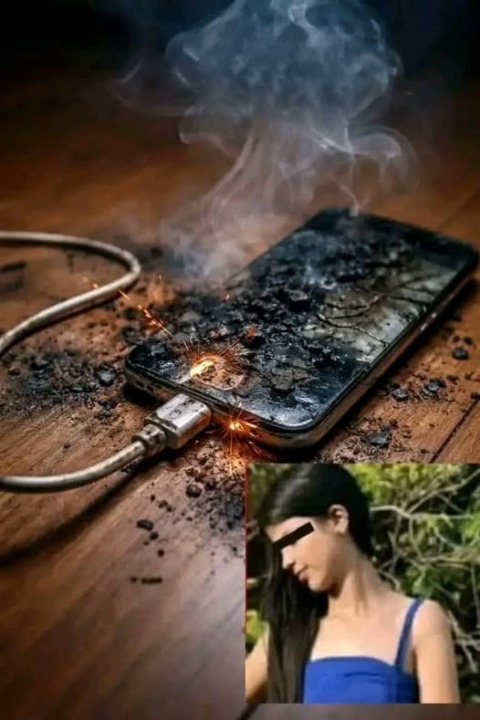
In our increasingly digital world, charging devices has become a routine part of daily life. Smartphones, tablets, laptops, and other electronics accompany us everywhere, and the process of keeping them powered often feels completely safe. After all, most people assume that plugging a device into a wall outlet is a risk-free action. However, the reality is more nuanced. Improper use of chargers and electrical equipment can pose serious hazards, including overheating, electrical shocks, and, in rare cases, fires.
Understanding these risks and implementing proper safety measures is essential—not only to protect your home and belongings but also to safeguard yourself and your family.
How Charging Devices Works and Where Risks Emerge
Charging a device involves transferring electrical energy from a power source to the battery within the device. When both the charger and the outlet are functioning correctly, this process is relatively safe. However, potential dangers can arise under certain conditions, including:
- Using low-quality, damaged, or counterfeit chargers
- Overloading outlets or power strips with multiple devices
- Handling cables improperly, such as bending, twisting, or fraying them
- Charging devices in environments that restrict airflow or increase heat
These factors can interfere with normal electrical flow, potentially causing devices to overheat, short-circuit, or, in severe cases, ignite. While such events are uncommon, they are preventable with awareness, regular maintenance, and correct usage.
Common Household Scenarios of Risk
To illustrate the potential dangers, consider a typical household scenario:
A family has limited wall outlets, so they use a single power strip to connect a television, internet modem, a fan, and a mobile device charger. One of the chargers is non-certified and has become slightly frayed over time. To make it work, a family member bends the cable into a specific angle.
In this scenario, several risk factors converge:
- Overloaded power source: The power strip may not be rated for the combined load of all connected devices.
- Substandard charger: Non-certified chargers lack safety features like current regulation or insulation.
- Damaged cable insulation: Exposed wires increase the chance of electrical faults.
- Restricted airflow: Devices and chargers clustered together produce heat that cannot dissipate effectively.
If the heat builds up over time, it can compromise the surrounding materials and increase the risk of electrical hazards. Even though such incidents are infrequent, understanding these risks is vital for prevention.
Frequently Observed Charging Mistakes
Despite widespread awareness, many people unknowingly engage in unsafe charging practices. Here are some common mistakes:
1. Using Damaged or Frayed Charging Cables
Repeated bending or pulling of cables can expose internal wires. This creates a risk of short circuits, electrical shocks, or even sparks. Regular inspection of cables is essential, and any worn-out or damaged cable should be replaced immediately.
2. Relying on Low-Quality or Counterfeit Chargers
Uncertified chargers often lack essential safety features such as surge protection or thermal cutoff mechanisms. While they may be inexpensive, the long-term risks outweigh the savings. Always use certified chargers recommended by reputable manufacturers.
3. Overloading Outlets or Power Strips
Plugging multiple high-wattage devices into a single outlet can exceed its capacity, creating excessive heat. Over time, this can damage the wiring and increase the chance of fire. Distributing devices across multiple outlets helps minimize risk.
4. Charging Devices on Soft Surfaces
Placing phones or chargers on beds, sofas, or cushions can trap heat and prevent proper ventilation. Overheating can damage the device or, in extreme cases, ignite nearby materials. Use hard, flat surfaces to allow airflow around devices.
5. Leaving Chargers Plugged In Continuously
Even when not actively charging, chargers draw a small amount of current. Continuous heat buildup over time can contribute to wear or overheating, particularly with lower-quality equipment.
6. Ignoring Early Warning Signs
Unusual heat, burning odors, sparks, or inconsistent charging are early indicators of a potential problem. Ignoring these signals can result in more severe issues later.
Recognizing Signs of Unsafe Chargers
Being able to identify problems early is crucial. Some common warning signs include:
- Excessive heat from the charger or cable during use
- Visible damage, including cracks or exposed wires
- Loose connections between the charger and device
- Intermittent charging requiring adjustment of the cable
- Discoloration or unusual odors
If you notice any of these signs, discontinue use immediately and replace the equipment with a certified alternative.
Practical Safety Measures for Everyday Use
Adopting a few straightforward habits can drastically reduce the risks associated with charging devices at home:
- Use Certified Chargers: Always purchase chargers from reputable brands or certified manufacturers. They may cost more, but they provide better protection, reliability, and durability.
- Regularly Inspect Cables: Establish a routine check for wear, fraying, or other damage. Replace damaged cables promptly.
- Avoid Overloading Outlets: Distribute devices across multiple outlets instead of relying on a single power strip.
- Ensure Proper Ventilation: Keep chargers and power strips in open areas where heat can dissipate. Avoid covering them with fabrics or placing them in enclosed spaces.
- Unplug Chargers When Not in Use: Disconnect chargers from the power source if no device is connected. This prevents unnecessary heat buildup and reduces energy consumption.
- Keep Away from Flammable Materials: Avoid placing chargers near curtains, bedding, papers, or other flammable objects.
The Role of High-Quality Electrical Equipment
Investing in reliable, well-made electrical accessories significantly improves safety. Key considerations include:
- Surge-Protected Power Strips: Protect connected devices from sudden voltage spikes.
- Certified Safety Marks: Look for CE, UL, or equivalent certification symbols to ensure the equipment meets safety standards.
- Durable, Well-Insulated Cables: Reduce the risk of short circuits or shocks.
High-quality components offer superior insulation, heat management, and durability, which collectively reduce the risk of accidents in your home.
Avoiding Misinformation and Fear-Based Messaging
The internet is rife with sensationalist headlines warning of “phone chargers that could explode” or “never charge your device this way.” While unsafe charging habits are a legitimate concern, exaggerated claims can create unnecessary panic.
A responsible approach involves:
- Focusing on verified information from credible sources
- Applying practical safety measures rather than succumbing to fear
- Educating household members on safe habits instead of sharing alarmist content
Knowledge combined with action is far more effective than reacting to clickbait.
Responding to Electrical Issues Safely
Even with preventive measures, accidents can happen. If you encounter a potential electrical problem:
- Disconnect the power source immediately, if it is safe to do so
- Never use water to extinguish electrical fires
- Use a fire extinguisher rated for electrical fires
- Contact emergency services if the situation escalates
Being prepared and understanding proper procedures ensures safety for both people and property.
Building Long-Term Safety Habits at Home
Electrical safety is not solely about devices—it is also about daily habits. Encourage all household members to:
- Handle cables gently
- Avoid makeshift repairs for damaged chargers
- Understand the importance of following safety guidelines
- Maintain clean, uncluttered spaces around electrical equipment
Small behavioral changes can have a lasting impact, preventing accidents before they occur.
Final Thoughts
Charging devices is an everyday activity, but its risks should not be underestimated. While dramatic headlines may exaggerate potential dangers, the underlying issues are real and preventable.
The essential message is simple: prioritize safety over convenience.
By choosing certified equipment, monitoring device conditions, ensuring proper ventilation, and cultivating responsible electrical habits, you can significantly reduce the risk of hazards at home.
Electrical safety is a continuous process that involves both awareness and action. Protecting your home, devices, and family does not require extraordinary measures—just consistent, informed practices.