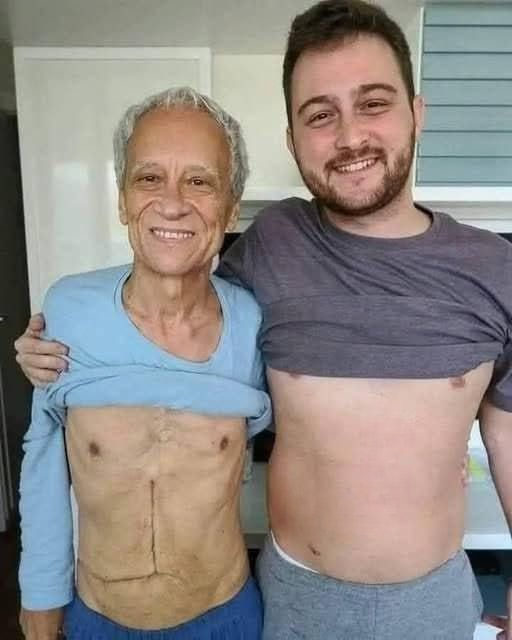
In the world of medicine, few acts carry as much weight, emotion, and profound human significance as living organ donation. Among these, living liver donation stands out as a remarkable testament to courage, love, and selflessness. When a healthy individual steps forward to donate a portion of their liver to a loved one in critical need, it transcends mere medical intervention—it becomes a story of devotion, resilience, and hope.
While many medical procedures focus on prolonging life or alleviating discomfort, living liver donation encapsulates both the science of healing and the enduring power of family bonds. For thousands of families around the globe, these surgeries are a literal lifeline, especially in countries where waiting lists for deceased donor organs can extend for years, often leaving patients in precarious health.
Understanding the Miracle of the Liver
The liver is one of nature’s most astonishing organs. Unlike any other in the human body, it possesses the unique ability to regenerate completely. When a living donor contributes a segment—sometimes as much as half of their liver—the remaining portion can grow back to full functionality within months. Simultaneously, the transplanted portion in the recipient also regenerates, effectively restoring the organ to near-complete size in a short period. This natural regenerative ability transforms a procedure that once carried high uncertainty into a safe, proven, and life-changing option.
The science behind this is extraordinary. The liver’s regenerative capacity means that the donor’s health is not permanently compromised, provided that proper medical protocols are followed. Advanced imaging, blood testing, and surgical planning ensure that both the donor and recipient are prepared for the physical demands of the operation. Surgeons carefully map blood vessels, bile ducts, and liver tissue to optimize safety and functionality.
A Son’s Courage: Stepping Forward in the Face of Fear
Consider the story of a devoted son who learns that his father’s liver disease has progressed to a critical stage. Faced with the possibility of losing a parent, he makes a decision that few could contemplate: he volunteers to be a living liver donor.
The journey begins long before any surgical procedure. Potential donors undergo rigorous testing—both physical and psychological—to ensure they are healthy enough to endure the operation and fully understand the gravity of the procedure. Evaluations include blood work, imaging scans, heart assessments, and in-depth counseling sessions. Physicians act as both guides and protectors, ensuring that the donor’s choice is informed, voluntary, and safe.
For families, this process is intensely emotional. Watching a loved one willingly accept such a risk creates a mixture of hope, pride, and anxiety. The decision carries a weight that is felt in every aspect of daily life, from shared meals to quiet conversations at home. Each family member becomes part of the journey, offering encouragement and solidarity.
The Surgical Procedure: A Symphony of Precision
Once compatibility is confirmed, the surgical phase begins—a carefully choreographed operation that highlights the marvels of modern medicine. Two operating rooms work in tandem: one for the donor and one for the recipient. Coordination is critical, as minimizing the time that the liver segment spends outside the human body is essential for a successful transplant.
In the donor room, surgeons carefully remove a portion of the liver, preserving the donor’s remaining organ and ensuring blood supply and tissue integrity. In the recipient room, the transplanted segment is meticulously connected to blood vessels and bile ducts, establishing immediate function. These procedures can take several hours and require the expertise of multiple specialized teams working in synchrony.
The result is often visible within days. A patient once debilitated by liver failure regains strength, color, and vitality. Tasks that had become impossible—walking unassisted, eating normally, engaging with family—suddenly return. This dramatic transformation underscores the life-saving potential of living liver donation and the human courage behind it.
Recovery: A Journey of Resilience and Support
While the act of donation is extraordinary, recovery is equally important and challenging. Donors face extended hospital stays, gradual reintroduction to physical activity, and careful monitoring to ensure the liver regenerates correctly. Complications, though rare, can occur, ranging from fluid imbalances and minor infections to temporary liver function fluctuations that require additional medical attention.
Recipients also experience a period of adjustment. Their bodies adapt to the new organ, and medical teams continuously assess liver function, medication needs, and overall health. The healing process is a collaborative effort between doctors, nurses, families, and patients, emphasizing vigilance, patience, and care.
Beyond physical recovery, there is a profound emotional journey. Donors often describe a complex mix of pride, relief, and vulnerability, knowing they have given a piece of themselves to save another life. Recipients, meanwhile, face gratitude and a renewed sense of responsibility to honor the sacrifice made on their behalf.
Family Bonds Strengthened Through Shared Experience
Living liver donation is not solely a medical event—it is a transformative family experience. The shared trauma of surgery, coupled with the shared joy of recovery, often fosters deeper familial connections. Minor disagreements fade in the face of profound gratitude and love. Family members often rally together, providing logistical support, emotional encouragement, and day-to-day assistance during recovery.
For some, the experience becomes a life lesson, demonstrating the power of selflessness, resilience, and empathy. Children witness the courage of their parents, grandchildren understand the meaning of sacrifice, and siblings often find new appreciation for one another. The event becomes part of a family’s legacy, a story told and retold across generations.
The Human Impact Beyond Medicine
While the science of liver donation is remarkable, the human element remains central. The father who receives the transplant is given more than a functioning organ; he receives more time, more memories, and more opportunities to engage fully with life. Simple moments—a family dinner, a holiday gathering, or watching a child graduate—become symbols of resilience and hope.
The son’s courage also sends ripples outward. Friends, extended family, and community members witness the extraordinary act, inspiring conversations about organ donation, altruism, and the responsibilities we bear to each other. In many ways, one family’s medical journey can spark broader social awareness and compassion.
Stories of Hope and Transformation
Thousands of similar stories exist around the world, each illustrating a profound truth: when love and medicine converge, miracles can happen. Patients who were once facing a terminal prognosis return to fulfilling lives. Donors, having faced risk, often describe a deep sense of accomplishment and purpose. Families, united through adversity, find renewed appreciation for one another.
Medical experts emphasize that living liver donation, while demanding, represents one of the most successful, life-saving interventions available today. The combination of surgical skill, regenerative biology, and familial courage ensures that hope is no longer limited to the confines of waiting lists or uncertainty.
Looking to the Future
As medicine advances, living liver donation continues to evolve. Research into less invasive techniques, improved donor care protocols, and better post-operative monitoring promises to make these procedures safer and more widely available. At the same time, stories of personal courage remind us that technology alone is not enough—human will, love, and sacrifice remain the heart of these life-saving endeavors.
Educational campaigns, public awareness initiatives, and continued research into organ regeneration and transplantation will ensure that families facing liver disease have options and support. Every story, every successful transplant, adds to a growing narrative of hope, resilience, and interconnectedness.
Conclusion: Beyond the Operating Room
Living liver donation is far more than a surgical procedure. It is an expression of the deepest kind of human love, a testament to courage, and a reminder of the remarkable potential of the human body. From the moment a son steps forward to save his father, through the delicate surgery, and into the months of recovery, this journey encompasses science, sacrifice, and the human spirit.
These stories inspire, challenge, and teach us. They remind us that while medicine provides the tools, it is human compassion, courage, and commitment that truly create miracles. The legacy of such acts endures not only in the lives saved but also in the hearts of those who witness and experience them.
For families navigating similar challenges, these narratives offer hope. For the wider world, they are proof that love can indeed change the course of life, and that even in the face of illness, human resilience and connection remain the most powerful forces of all.