Interior design trends evolve constantly. One year it’s open-concept living and neutral palettes; the next it’s bold colors, layered textures, and smart home upgrades. Today’s design conversations often center on sustainability, technology integration, and clean-lined minimalism. While these contemporary ideas offer convenience and efficiency, they can sometimes overshadow the quiet beauty of traditional craftsmanship.
In the rush to modernize, many small yet meaningful architectural details have been forgotten. These elements once played essential roles in the function of a home, but they also carried artistic value. They reflected a time when builders and craftspeople approached even practical components with care and creativity.
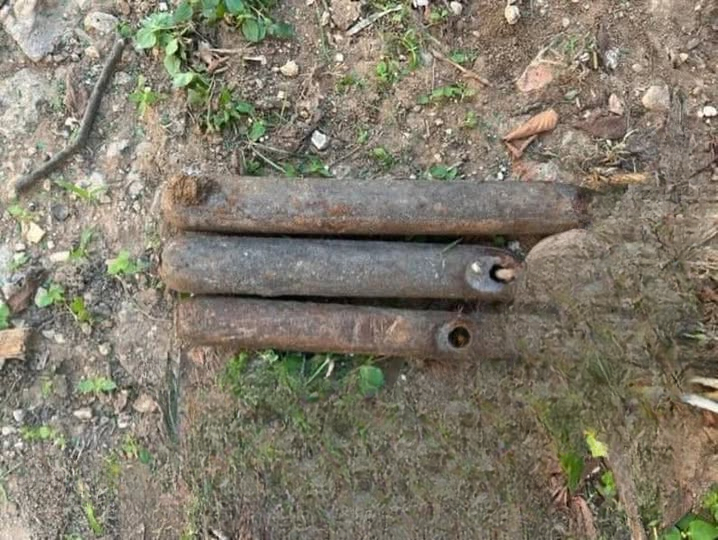
One such overlooked detail is the vintage window weight. Hidden inside traditional sash windows, these unassuming pieces of cast iron once made it possible for heavy wooden window sashes to glide open with ease. Though largely invisible, they represent ingenuity, balance, and thoughtful engineering.
Today, as homeowners and designers look for ways to create spaces that feel authentic and distinctive, rediscovering elements like vintage window weights can add both character and historical depth. In this article, we’ll explore their origins, their significance in architectural history, and the many creative ways they can be thoughtfully incorporated into modern interiors—while keeping everything practical, respectful, and design-focused.
Understanding the History of Window Weights
To appreciate vintage window weights, it helps to understand the traditional sash window system. Sash windows became popular in Europe during the 17th century and later spread to North America. They were especially common in Georgian, Victorian, and early 20th-century homes.
Unlike modern windows that slide along tracks or open outward, sash windows move vertically within a frame. The secret to their smooth operation lies in a hidden counterbalance system. Inside the window frame, heavy cast iron weights are attached to the sash by cords or chains that run over pulleys. When you lift the window, the weight inside the wall drops, counterbalancing the sash and making it feel surprisingly light.
This system was remarkably efficient for its time. It required no electricity, no springs, and no complex mechanisms—just gravity and careful calculation. The heavier the window sash, the heavier the counterweight needed to balance it.
By the 19th century, cast iron window weights were being mass-produced, yet they were often stamped with manufacturer names, numbers, or decorative details. Some featured subtle fluting or embossed patterns. Even though they were hidden inside the frame, manufacturers took pride in their work.
These details may seem small, but they reflect a broader philosophy of the era: every component mattered.
The Craftsmanship Behind Cast Iron Weights
Cast iron was the material of choice for window weights for several reasons:
-
It is dense and heavy, making it ideal for counterbalancing.
-
It is durable and resistant to wear.
-
It could be molded into consistent shapes using casting techniques.
In the 19th and early 20th centuries, foundries across the United States and Europe produced these weights in large quantities. Despite their utilitarian purpose, many were designed with careful proportions and subtle markings.
Manufacturing stamps often included:
-
Weight measurements (to ensure proper installation)
-
Company names
-
Production numbers
-
Decorative flourishes
While these details were rarely visible once installed, they signaled pride in workmanship. Builders of that era valued durability and precision, and window weights were no exception.
Today, when we examine vintage weights removed from old homes, we see not just industrial objects but pieces of design history.
Why These Hidden Details Still Matter Today
You might wonder: why focus on something that was never meant to be seen?
The answer lies in authenticity.
Modern renovations often replace original window systems with newer alternatives. While upgrades can improve energy efficiency, they sometimes strip away the mechanical elegance of the original design. Restoring or preserving vintage window weight systems maintains a connection to the building’s architectural roots.
Here are a few reasons why these elements remain relevant:
1. Architectural Integrity
For historic homes, preserving original features helps maintain authenticity. Many preservation experts recommend repairing sash windows rather than replacing them entirely, when possible. Retaining the original weight-and-pulley system contributes to structural and historical continuity.
Even when updates are necessary—such as adding weather stripping or improved glazing—maintaining original components supports the home’s character.
2. Sustainable Design Principles
Sustainability is increasingly important in home renovation. Reusing original materials reduces waste and lowers the environmental impact associated with manufacturing new components.
Vintage window weights are extremely durable. If maintained properly, they can function effectively for decades. Rehabilitating rather than discarding them aligns with eco-conscious renovation practices.
3. Aesthetic Character
Although typically concealed, vintage window weights can also be repurposed decoratively. Their aged patina, subtle texture, and industrial feel appeal to those who appreciate rustic, farmhouse, or industrial design styles.
By thoughtfully incorporating them into visible spaces, homeowners can blend history with contemporary design.
The Symbolism of Balance and Stability
Beyond their practical use, window weights carry symbolic meaning. They represent balance—quite literally. Without them, the window cannot function properly. Their purpose is to counteract, stabilize, and support.
In interior design, balance is a guiding principle. Visual harmony depends on thoughtful proportion and counterweight. Vintage window weights, though small, embody this idea physically and metaphorically.
They also reflect a time when even unseen components were built with care. That philosophy can inspire modern homeowners to value not just what is visible, but what supports the home behind the scenes.
Creative Ways to Incorporate Vintage Window Weights Into Modern Design
For those who appreciate architectural salvage, there are many tasteful and safe ways to repurpose vintage window weights. Below are ideas that emphasize creativity while maintaining practicality and safety.
1. Preserve Them During Window Restoration
If you are restoring original sash windows, consider keeping the existing weight system intact. Many window specialists can repair cords, replace pulleys, and recalibrate weights so the window functions smoothly again.
This approach maintains authenticity and allows you to retain the original engineering.
2. Display as Decorative Objects
Vintage window weights can serve as sculptural accents. Because of their simple cylindrical form, they fit well into industrial or minimalist spaces.
Ideas include:
-
Placing one or two on open shelving as conversation pieces
-
Incorporating them into a curated vignette with antique books or reclaimed wood elements
-
Using them as bookends (ensuring surfaces are protected from scratching)
Their understated design works best when integrated thoughtfully rather than cluttered.
3. Incorporate Into Lighting Designs
Some designers have creatively incorporated salvaged weights into custom light fixtures. When done safely and by qualified professionals, they can become part of pendant lighting or chandeliers in industrial-style interiors.
If considering this option, always consult a licensed electrician to ensure safety standards are met.
4. Garden and Outdoor Applications
In outdoor settings, vintage window weights can function as decorative accents. Their weathered appearance complements natural materials like stone, brick, and wood.
They can be:
-
Used as subtle markers along garden pathways
-
Integrated into sculpture arrangements
-
Repurposed as weights for lightweight outdoor decor
Because they are heavy, they should always be positioned securely to avoid tipping.
5. Functional Upcycling Projects
For DIY enthusiasts, window weights can be repurposed into functional pieces such as:
-
Curtain tiebacks
-
Doorstops
-
Paperweights for large drafting tables
-
Rustic handles for custom furniture projects
When repurposing, ensure edges are smoothed and surfaces sealed if needed.
The Collectible Value of Vintage Window Weights
Although not typically high-value antiques, certain vintage window weights attract interest among architectural salvage collectors.
Factors that may influence value include:
-
Unusual decorative patterns
-
Manufacturer stamps from historically significant foundries
-
Early production dates
-
Excellent condition with minimal corrosion
Collectors appreciate the industrial heritage they represent. However, most pieces are valued for their design character rather than investment potential.
If you discover vintage weights during renovation, it may be worthwhile to research their markings before discarding them.
Blending Modern Convenience With Historic Charm
Many homeowners assume that preserving old mechanical systems means sacrificing comfort. In reality, it’s possible to balance historical features with modern upgrades.
For example:
-
Weather stripping can improve energy efficiency without removing original weights.
-
Storm windows can be added externally to enhance insulation.
-
Proper maintenance can ensure smooth operation.
Consulting with window restoration professionals ensures that improvements respect both safety standards and architectural integrity.
Practical Considerations Before Repurposing
If you plan to reuse vintage window weights, keep these practical considerations in mind:
-
Weight: They are heavy. Ensure shelves, fixtures, or supports can handle the load.
-
Surface Protection: Cast iron can scratch delicate surfaces. Use padding where necessary.
-
Cleaning: Remove rust gently using appropriate tools. Avoid harsh chemicals that may damage the metal.
-
Sealing: Applying a clear protective sealant can prevent further oxidation.
-
Safety: Secure them properly in any decorative application to avoid accidental falls.
By approaching repurposing thoughtfully, you can preserve their character while ensuring safety.
Why Small Architectural Details Make a Big Difference
Design transformations do not always require dramatic renovations. Sometimes the most meaningful upgrades involve recognizing and celebrating overlooked details.
In older homes especially, seemingly minor components contribute to the overall atmosphere. Crown molding, original hardware, exposed beams, and yes—even window weights—tell stories about the people who built and lived in those spaces.
When you preserve or thoughtfully integrate these elements, you’re not just decorating—you’re continuing a narrative.
Reimagining Forgotten Features in Contemporary Interiors
The growing popularity of reclaimed wood, vintage hardware, and architectural salvage reflects a desire for authenticity. Many homeowners are moving away from mass-produced uniformity and toward spaces that feel personal.
Incorporating historic elements:
-
Adds texture and visual interest
-
Encourages sustainable reuse
-
Creates conversation starters
-
Honors traditional craftsmanship
Vintage window weights fit naturally into this movement. They are modest yet meaningful artifacts of a time when building practices emphasized longevity.
The Emotional Value of Preserving History
Homes are more than structures; they are repositories of memory. Preserving original features connects current residents to those who came before.
Even small details can evoke:
-
A sense of continuity
-
Appreciation for manual craftsmanship
-
Respect for materials built to last
When homeowners choose to restore rather than replace, they participate in stewardship—caring for a building’s story rather than rewriting it entirely.
Final Thoughts: Looking Beyond the Obvious
In an era defined by rapid innovation, it’s easy to overlook the quiet brilliance of traditional design elements. Vintage window weights may not command attention at first glance, but they represent ingenuity, balance, and durability.
Whether preserved inside functioning sash windows or thoughtfully repurposed as decorative accents, they offer a subtle way to bring historical depth into contemporary spaces.
Design transformation does not always require tearing down walls or investing in expensive upgrades. Sometimes it begins with noticing what’s already there.
By rediscovering and respecting forgotten architectural details, you can create a home that feels layered, meaningful, and truly timeless.
And perhaps that is the most transformative element of all.