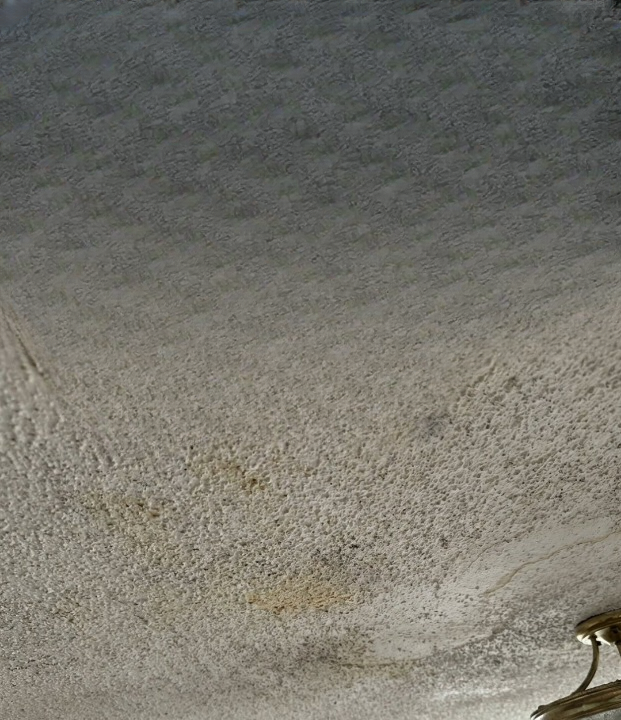
Maintaining a clean home often means paying attention to surfaces we see every day—floors, countertops, and furniture. However, there’s one area that is frequently overlooked simply because it sits above eye level: the ceiling. For many homes, especially those built several decades ago, ceilings may feature a textured finish often referred to as a “popcorn ceiling.”
While this type of ceiling can add character and help conceal imperfections, it also tends to collect dust more easily than smooth surfaces. Because of its uneven texture, cleaning it may seem complicated or even risky. Many homeowners worry about damaging the surface, making a mess, or using the wrong technique.
The good news is that keeping a textured ceiling clean does not require complicated tools or professional-level expertise. With the right approach, gentle techniques, and a bit of consistency, it’s entirely possible to maintain a fresh, dust-free ceiling without stress.
This guide offers a detailed, safe, and practical approach to cleaning and maintaining textured ceilings—focusing on simple methods that are effective while minimizing the risk of damage.
Understanding Textured Ceilings and Why They Require Special Care
Before jumping into cleaning methods, it’s important to understand why textured ceilings need a different approach compared to flat surfaces.
Textured ceilings are designed with small raised patterns that create a slightly rough surface. This design serves several purposes:
- It helps hide minor imperfections in the ceiling structure
- It can reduce the appearance of cracks or uneven plaster
- It adds a subtle visual dimension to a room
However, this same texture also makes the surface more delicate. The raised areas can be fragile, and applying too much pressure or moisture can cause them to loosen or break.
Because of this, cleaning a textured ceiling is less about scrubbing and more about gentle maintenance.
The Key Principle: Consistency Over Intensity
One of the most effective ways to keep a textured ceiling clean is surprisingly simple: clean it regularly.
Instead of waiting for dust to build up, light and consistent cleaning prevents accumulation. When dust layers become thick, removing them becomes more difficult and increases the risk of damage.
A regular cleaning routine offers several advantages:
- Less effort is required each time
- Reduced risk of staining or discoloration
- Improved air quality in the room
- Longer-lasting ceiling appearance
Think of it as preventive care rather than deep cleaning.
Essential Tools and Supplies
You don’t need specialized or expensive equipment to clean a textured ceiling. Most of the necessary tools are easy to find and budget-friendly.
Here’s what you’ll need:
- A sturdy step ladder
- A vacuum cleaner with a soft brush attachment
- A microfiber duster or cloth
- Plastic sheets or drop cloths
- Painter’s tape
- A spray bottle with water
- Mild cleaning solution (optional)
- Protective gear such as a dust mask and safety glasses
These items help ensure that the process is both effective and safe—for both you and your home.
Preparing the Space Before Cleaning
Preparation is a crucial step that many people underestimate. Cleaning a ceiling can cause dust and small particles to fall, so taking a few minutes to prepare the room can save a lot of cleanup later.
Step 1: Protect Furniture and Floors
Cover furniture, floors, and any exposed surfaces with plastic sheets or drop cloths. Secure them in place using painter’s tape if needed.
This prevents dust from settling on your belongings and makes cleanup easier.
Step 2: Turn Off Air Circulation
Switch off fans, air conditioning, and ventilation systems in the room.
Air movement can spread dust throughout the house, making the process less efficient and potentially affecting indoor air quality.
Step 3: Wear Protective Gear
Although the task is generally safe, wearing a dust mask and protective eyewear can help prevent irritation from falling particles.
The Most Effective Cleaning Method: Vacuuming
Vacuuming is widely considered the safest and most effective method for cleaning textured ceilings.
Why Vacuuming Works Best
- It removes dust without applying pressure
- It minimizes the risk of damaging the texture
- It keeps particles contained rather than spreading them
How to Vacuum Properly
- Attach a soft brush head to your vacuum cleaner
- Set the suction to a low or moderate level
- Gently move the brush across the ceiling surface
- Use slow, steady strokes
Avoid pressing the vacuum directly into the ceiling. Let the suction and brush do the work.
Patience is key here—rushing can increase the risk of damage.
Alternative Method: Using a Microfiber Duster
If a vacuum is not available, a microfiber duster is a suitable alternative.
Steps to Follow
- Use a clean, dry microfiber duster
- Gently glide it across the ceiling
- Avoid scrubbing or applying pressure
Microfiber is effective because it attracts and holds dust rather than spreading it.
This method works best for light cleaning and maintenance rather than heavy buildup.
Handling Stains Carefully
While most cleaning involves dry methods, you may occasionally encounter small stains or spots that require additional attention.
Important Rule: Use Minimal Moisture
Water and textured ceilings do not mix well. Excess moisture can:
- Cause discoloration
- Weaken the texture
- Lead to peeling or flaking
Safe Approach to Spot Cleaning
- Lightly dampen a microfiber cloth
- Gently dab (do not rub) the stained area
- Allow the spot to air dry
If needed, a very mild cleaning solution can be used, but only in small amounts.
Avoid hot water or strong chemicals, as they can damage the surface.
Drying the Ceiling Properly
After any spot cleaning, allow the ceiling to dry naturally.
Avoid using:
- Fans
- Hair dryers
- Heaters
Forced airflow can lead to uneven drying or discoloration.
Natural air drying is the safest option.
When to Consider Professional Help
While cleaning a textured ceiling is manageable for most homeowners, there are situations where professional assistance may be the better choice.
Consider seeking help if:
- The ceiling is heavily stained or damaged
- You are unsure about the material or condition
- The ceiling is very high or difficult to access
- You are considering removing the texture entirely
Professionals have the tools and experience to handle more complex situations safely.
Why Textured Ceilings Became Popular
To better understand how to care for these ceilings, it helps to know why they were used in the first place.
Textured ceilings gained popularity for several reasons:
- They conceal imperfections in construction
- They reduce the need for detailed finishing work
- They provide a distinctive visual style
For many years, they were considered a practical and cost-effective design choice.
Changing Trends in Home Design
In recent years, preferences have shifted toward smoother, more minimal ceiling finishes.
Smooth ceilings are often chosen because:
- They are easier to clean
- They create a more modern look
- They reflect light more evenly
However, textured ceilings are still common and remain a functional option in many homes.
Long-Term Maintenance Tips
Keeping your ceiling in good condition doesn’t require frequent deep cleaning—just consistent care.
Helpful Habits
- Dust the ceiling every few months
- Address stains early before they set
- Avoid excessive humidity in the room
- Inspect for any signs of damage
These small steps can extend the life and appearance of your ceiling significantly.
Common Mistakes to Avoid
When cleaning a textured ceiling, certain mistakes can lead to unnecessary damage.
Avoid These Practices
- Using too much water
- Scrubbing aggressively
- Applying strong cleaning chemicals
- Using high-pressure tools
Gentle handling is always the safest approach.
The Benefits of a Clean Ceiling
Although it may not be the first thing people notice, a clean ceiling contributes to the overall feel of a room.
Benefits include:
- A brighter, fresher appearance
- Reduced dust in the air
- Improved overall cleanliness
Even small improvements can make a noticeable difference in how a space feels.
A Balanced Perspective: Practical, Not Perfect
It’s important to remember that perfection is not the goal.
Textured ceilings are designed to be functional and forgiving. Minor imperfections are normal and often unnoticeable from a distance.
Focus on maintaining cleanliness rather than achieving a flawless surface.
Final Thoughts: Simple Care, Lasting Results
Cleaning a textured ceiling may seem intimidating at first, but it becomes much more manageable with the right mindset and approach.
The key principles are simple:
- Clean regularly
- Use gentle techniques
- Avoid excessive moisture
- Take your time
By following these guidelines, you can maintain a clean and well-kept ceiling without unnecessary stress or risk.
In the end, caring for your home doesn’t always require complex solutions. Sometimes, the most effective approach is also the simplest—consistent, careful attention that keeps everything looking its best over time.