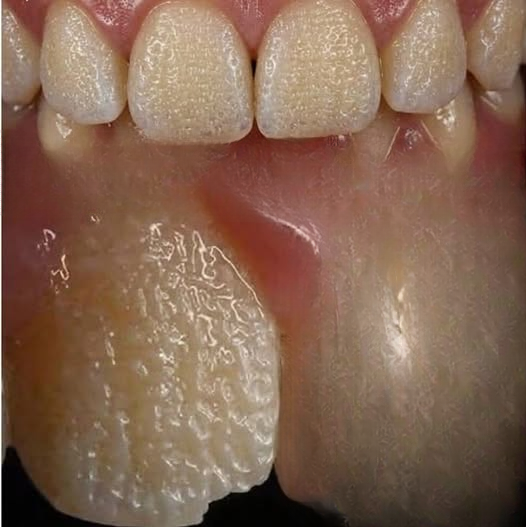
Your teeth are among the hardest-working parts of your body. Every single day, they help you eat, speak, and express yourself. Yet despite their strength, they are not indestructible. Over time, a combination of daily habits, dietary choices, and underlying conditions can influence their health in ways that are not always immediately obvious.
Many people first notice subtle changes—slight discoloration, occasional sensitivity, or a feeling that their teeth are not as strong as they used to be. These signs are often easy to dismiss, especially when they appear gradually. However, they can sometimes indicate deeper processes affecting the protective layers of the teeth.
Understanding how your teeth respond to everyday foods and habits—and recognizing when something more complex might be involved—can help you take better care of your oral health and prevent long-term issues.
Understanding the Structure of Your Teeth
To fully appreciate how different factors affect your teeth, it helps to understand their basic structure.
Each tooth is made up of several layers:
- Enamel: The outermost layer, which is highly durable and designed to protect the tooth
- Dentin: The layer beneath enamel, which is softer and more sensitive
- Pulp: The innermost part, containing nerves and blood vessels
Among these, enamel plays the most critical role in daily protection. It acts as a barrier against temperature changes, physical wear, and exposure to acids and bacteria.
Although enamel is incredibly strong, it has one major limitation: it does not regenerate. Once it is worn down or damaged, the body cannot naturally replace it. This makes prevention and care especially important.
Why Enamel Health Matters
Healthy enamel allows your teeth to function properly without discomfort. It protects against:
- Sensitivity to hot and cold foods
- Damage from chewing and grinding
- Bacterial intrusion that can lead to decay
When enamel begins to weaken or thin, the underlying dentin becomes more exposed. This can lead to noticeable changes, including:
- Increased sensitivity
- Changes in color or translucency
- Higher risk of chipping or wear
Because enamel loss is permanent, early awareness is key to preventing further damage.
Common Signs of Enamel Wear
Many people are unaware that enamel damage often develops gradually. The early signs can be subtle and easy to overlook.
Some common indicators include:
- Teeth appearing more yellow or darker than usual
- Sensitivity when consuming hot, cold, or sweet foods
- Rough or uneven tooth surfaces
- Small chips or edges that feel worn
These changes may not seem serious at first, but they can progress over time if not addressed.
The Role of Everyday Foods and Drinks
Your diet plays a major role in maintaining—or weakening—your enamel. While most foods are safe in moderation, certain types can have a stronger impact when consumed frequently.
Acidic Foods and Beverages
Acid is one of the most significant contributors to enamel erosion. It can gradually soften and dissolve the outer layer of the teeth.
Common sources include:
- Citrus fruits such as lemons and oranges
- Carbonated drinks, including soda and sparkling water
- Vinegar-based foods and dressings
This does not mean you need to avoid these foods entirely. However, repeated exposure without proper care can increase the risk of enamel wear.
Sugary Foods and Oral Bacteria
Sugar itself does not directly damage enamel. Instead, it feeds bacteria in the mouth, which produce acids as a byproduct.
These acids can:
- Attack enamel
- Increase the risk of cavities
- Contribute to long-term tooth damage
Examples of high-sugar items include:
- Candy and sweets
- Pastries and baked goods
- Sweetened beverages
Reducing sugar intake and maintaining good oral hygiene can significantly lower these risks.
Staining Beverages
Certain drinks can affect the appearance of your teeth, especially if enamel is already weakened.
These include:
- Coffee
- Tea
- Dark-colored beverages
Over time, these substances can lead to visible staining, particularly if enamel becomes more porous.
Daily Habits That Influence Dental Health
Beyond diet, everyday habits also play a crucial role in maintaining strong teeth.
Brushing Techniques
Brushing your teeth regularly is essential, but technique matters.
Using excessive force can:
- Wear down enamel
- Irritate gums
A gentle approach with a soft-bristled toothbrush is recommended for effective cleaning without causing damage.
Fluoride Use
Fluoride is widely recognized for its ability to strengthen enamel and make it more resistant to acid.
Using fluoride toothpaste and, when appropriate, professional treatments can help maintain enamel health.
Hydration and Saliva
Saliva is one of the body’s natural defenses against enamel damage. It helps:
- Neutralize acids
- Wash away food particles
- Deliver minerals that support enamel
Staying hydrated supports saliva production, which plays a vital role in protecting your teeth.
Eating Patterns
Frequent snacking can expose teeth to repeated acid attacks throughout the day.
Allowing time between meals helps the mouth recover and maintain a balanced environment.
When Enamel Issues Begin Early
While many enamel problems develop over time due to lifestyle factors, some individuals experience enamel differences from an early age.
One example is a condition known as Amelogenesis Imperfecta.
This condition affects how enamel forms during tooth development, leading to structural differences that can impact both appearance and strength.
Understanding Amelogenesis Imperfecta
Amelogenesis Imperfecta is a genetic condition that influences the formation of enamel.
Depending on the type, enamel may be:
- Thinner than usual
- Softer or less mineralized
- More prone to wear and damage
Because enamel does not form properly, the teeth may appear:
- Discolored (yellow, brown, or translucent)
- Uneven or pitted
- More sensitive to temperature and pressure
This condition can affect both baby teeth and permanent teeth.
Different Variations of the Condition
There are several forms of Amelogenesis Imperfecta, each with distinct characteristics:
- Hypoplastic type: Enamel is thin but relatively firm
- Hypomaturation type: Enamel has normal thickness but is softer
- Hypocalcified type: Enamel is weak and wears down quickly
Understanding the specific type helps guide appropriate care and treatment.
Emotional and Lifestyle Considerations
Dental conditions do not only affect physical health—they can also influence confidence and daily experiences.
Visible differences in teeth may lead to self-consciousness, especially in social situations. Sensitivity can make eating certain foods uncomfortable, which may affect dietary choices.
Support, education, and appropriate care can help individuals manage these challenges effectively.
Diagnosis and Professional Evaluation
If unusual symptoms are present, a dental professional can evaluate the situation through:
- A detailed examination
- Imaging, such as X-rays
- Review of medical and family history
In some cases, additional testing may be recommended to better understand the condition.
Treatment and Management Options
While enamel cannot be restored once lost, modern dentistry offers several ways to protect and improve affected teeth.
These may include:
- Crowns to provide strength and protection
- Bonding or veneers to enhance appearance
- Fluoride treatments to support enamel resistance
- Desensitizing products to reduce discomfort
Treatment plans are typically tailored to the individual’s needs and the severity of the condition.
Preventive Care for Long-Term Health
Whether enamel concerns are due to lifestyle factors or genetic conditions, preventive care remains essential.
Key strategies include:
- Maintaining consistent oral hygiene
- Visiting a dentist regularly
- Being mindful of dietary choices
- Addressing symptoms early
These steps can help minimize damage and preserve dental health over time.
Supporting Children With Enamel Concerns
When enamel issues appear in childhood, early support can make a meaningful difference.
Parents and caregivers can help by:
- Encouraging positive dental habits
- Scheduling regular check-ups
- Providing reassurance and understanding
Early intervention can help children maintain both dental health and confidence as they grow.
The Connection Between Oral Health and Overall Well-Being
Oral health is closely linked to overall health. Dental issues can influence:
- Nutrition, due to difficulty eating certain foods
- Speech development
- Social interactions and self-esteem
Taking care of your teeth is an important part of maintaining overall well-being.
Common Misconceptions About Dental Care
There are several myths that can lead to unintended harm:
“Brushing harder cleans better”
In reality, excessive force can damage enamel and gums.
“Whitening fixes all dental issues”
Whitening addresses surface stains but does not repair structural problems.
“No pain means no problem”
Some dental issues develop without noticeable discomfort.
Understanding these misconceptions can help you make better decisions about your oral care.
Building Healthy Habits for Life
Long-term dental health is built on consistent habits.
These include:
- Brushing and flossing regularly
- Eating a balanced diet
- Staying hydrated
- Seeking professional care when needed
Small, consistent actions can have a significant impact over time.
Final Thoughts
Your teeth are constantly exposed to a variety of factors—from the foods you eat to the habits you follow. While occasional indulgences are part of life, repeated exposure to certain conditions can gradually affect enamel and overall dental health.
Conditions like Amelogenesis Imperfecta highlight the importance of understanding that dental health is influenced by both lifestyle and biology.
By staying informed, paying attention to early signs, and maintaining good habits, you can protect your teeth and support a healthy, confident smile for years to come.
Taking care of your teeth is not just about appearance—it is about comfort, function, and overall well-being. And with the right approach, it is entirely possible to maintain strong, healthy teeth throughout your life.