Introduction: When “Stains” Aren’t Really Stains
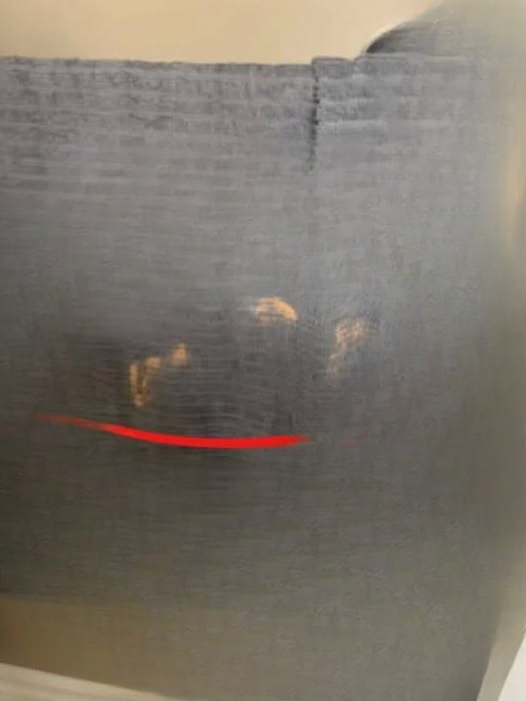
It often starts with something small—so small that it feels easy to ignore at first. A faint orange or yellowish spot appears on a towel you’ve used for months, maybe even years. You assume it’s just a stain. Perhaps something spilled, or maybe the detergent didn’t fully do its job.
So you wash it again.
And again.
You change detergents, increase the temperature, try soaking, scrubbing, and even specialized stain removers. But the marks don’t fade. In fact, they may become more noticeable over time.
That’s when confusion sets in.
Why won’t these “stains” go away?
The answer is both simple and surprising: in many cases, these marks are not stains at all. They are the result of chemical reactions that alter the color of the fabric itself. Once this change happens, no amount of washing can restore the original color.
Understanding this difference—between a stain and a color change—is the key to solving the mystery.
This article explores why these orange or yellow marks appear, what causes them, and most importantly, how you can prevent them from happening in the future.
The Key Difference: Stains vs. Color Loss
Before diving into specific causes, it’s important to understand a basic concept.
A stain sits on top of fabric fibers. It’s something added—like food, dirt, or oil—that can often be removed with proper cleaning.
Color loss, on the other hand, is different. It occurs when the dye within the fabric is altered or removed. This is not something that can be washed away because the original color has been chemically changed.
Think of it like this:
- A stain is something extra that shouldn’t be there
- Color loss is something missing that can’t be restored
When you see bright orange or yellow spots that won’t disappear, you are often looking at areas where the original dye has been affected.
Common Cause #1: Skincare Products and Fabric Reactions
One of the most frequent causes of these marks comes from everyday personal care products.
Many skincare items—especially those designed for treating blemishes or improving skin clarity—contain active ingredients that interact with fabrics. These ingredients are safe and effective for their intended use, but they can have unintended effects on colored materials.
When these products come into contact with towels, pillowcases, or clothing, they can cause a bleaching effect. This doesn’t happen instantly every time, but repeated exposure increases the likelihood.
Even small amounts—residue on the skin, hands, or hair—can transfer onto fabric. Over time, this can lead to noticeable discoloration.
How Fabric Bleaching Happens
When certain substances interact with dyed fabric, they can break down the chemical bonds that hold the dye in place.
This process doesn’t remove dirt—it removes color.
As the dye fades or changes, the underlying tone of the fabric becomes visible. Depending on the original dye and fabric composition, this can appear as:
- Orange patches
- Yellow spots
- Lightened or faded areas
Because this is a chemical change, washing the item won’t reverse it.
Common Cause #2: Water Quality and Mineral Content
Another factor that can contribute to discoloration is the quality of the water used for washing.
In some areas, tap water contains higher levels of minerals, particularly iron. When iron is present in water, it can react with air and moisture to form rust-like compounds.
These compounds can settle into fabric fibers, especially during washing or rinsing.
Over time, this can lead to:
- Rust-colored spots
- Yellowish or orange discoloration
- Uneven color changes
Unlike typical stains, these marks can be difficult to remove because they are caused by repeated exposure rather than a single incident.
How Mineral Deposits Affect Fabrics
Minerals in water don’t just affect color—they can also impact texture.
Over time, mineral buildup can make fabrics feel:
- Stiffer
- Rougher
- Less absorbent
This is because minerals accumulate within the fibers, altering their structure.
When combined with heat from drying, these effects can become more noticeable.
Common Cause #3: Hair and Beauty Products
Hair care routines can also play a role in fabric discoloration.
Products such as:
- Hair treatments
- Conditioning products
- Coloring solutions
- Styling sprays
may contain pigments or chemicals that interact with fabrics.
Even if these products are rinsed out, small amounts can remain on the hair or scalp. When you dry your hair with a towel, those residues can transfer onto the fabric.
Heat from drying—whether from a dryer or natural drying—can intensify these effects, making the discoloration more visible over time.
Common Cause #4: Cleaning Products and Household Sprays
Many household cleaning products contain ingredients designed to remove stains, disinfect surfaces, or brighten materials.
While effective, these products can sometimes affect fabrics if they come into contact with them.
Accidental splashes or residue transfer can lead to:
- Lightened spots
- Faded areas
- Uneven coloring
Because these effects may not be immediately visible, they can go unnoticed until after washing or drying.
Why Heat Makes the Problem More Noticeable
Heat plays a significant role in how discoloration appears.
When fabrics are exposed to heat—such as in a dryer—it can:
- Accelerate chemical reactions
- Set color changes more permanently
- Make discoloration more visible
This is why a towel may look fine after washing but show marks after drying.
Heat essentially “locks in” the changes, making them more noticeable.
Why Washing Doesn’t Fix the Issue
One of the most frustrating aspects of this problem is that repeated washing doesn’t help.
This is because:
- The issue is not dirt or residue
- The fabric dye has already been altered
- There is nothing to remove
In fact, repeated washing can sometimes make the contrast more noticeable by fading the surrounding fabric slightly.
Prevention: Simple Habits That Make a Big Difference
The good news is that preventing these marks is relatively simple once you understand the causes.
Small adjustments in daily routines can significantly reduce the risk.
Tip #1: Use Separate Towels for Skincare
One of the easiest ways to prevent discoloration is to use specific towels for certain tasks.
For example:
- Use light-colored or white towels when applying skincare
- Keep a separate towel for face routines
- Avoid using dark or colored towels immediately after applying products
White fabrics are less affected visually because there is no dye to alter.
Tip #2: Allow Products to Fully Absorb
Before coming into contact with fabrics, give products time to absorb into the skin.
This can reduce the amount of residue transferred to towels or clothing.
A few extra minutes can make a noticeable difference over time.
Tip #3: Be Mindful of Hair Products
After applying hair treatments or styling products:
- Avoid immediately using towels on treated hair
- Consider using older or designated towels
- Rinse thoroughly when possible
This helps minimize residue transfer.
Tip #4: Monitor Water Quality
If discoloration is frequent and widespread, water quality may be a contributing factor.
Possible steps include:
- Using water filtration systems
- Checking local water reports
- Adjusting washing routines based on mineral content
These measures can reduce mineral buildup over time.
Tip #5: Handle Cleaning Products Carefully
When using household cleaners:
- Keep them away from fabrics
- Wipe surfaces thoroughly before placing items nearby
- Store products securely to avoid accidental contact
Even small splashes can cause noticeable effects.
What to Do With Affected Towels
Once discoloration has occurred, restoring the original color is often not possible.
However, the towels can still be useful.
Consider:
- Repurposing them for cleaning tasks
- Using them for outdoor or less visible purposes
- Redyeing them to a darker color for a refreshed appearance
These options help extend the life of the fabric.
A Shift in Perspective
At first glance, these marks can feel frustrating and confusing. They appear suddenly, resist cleaning, and seem to spread without explanation.
But once the cause is understood, the mystery disappears.
What seemed like a cleaning problem turns out to be a simple interaction between everyday products and fabric materials.
And with that understanding comes control.
Conclusion: Small Changes, Big Results
Orange or yellow marks on towels may look like stubborn stains, but they are often the result of chemical changes within the fabric.
By recognizing the difference between stains and color loss, it becomes easier to approach the issue with the right expectations.
Prevention doesn’t require drastic changes—just small, mindful habits:
- Being aware of product transfer
- Allowing time for absorption
- Using appropriate fabrics for specific tasks
These simple steps can protect your towels and keep them looking fresh for longer.
In the end, what once felt like a frustrating mystery becomes a manageable and predictable part of everyday life.
And sometimes, that understanding is all it takes to turn a problem into a solution.
Final Thought
The next time you notice a bright spot on a towel, pause before reaching for another cleaning product.
It might not be something you can wash away—but it is something you can understand and prevent.
And that small shift in perspective makes all the difference.