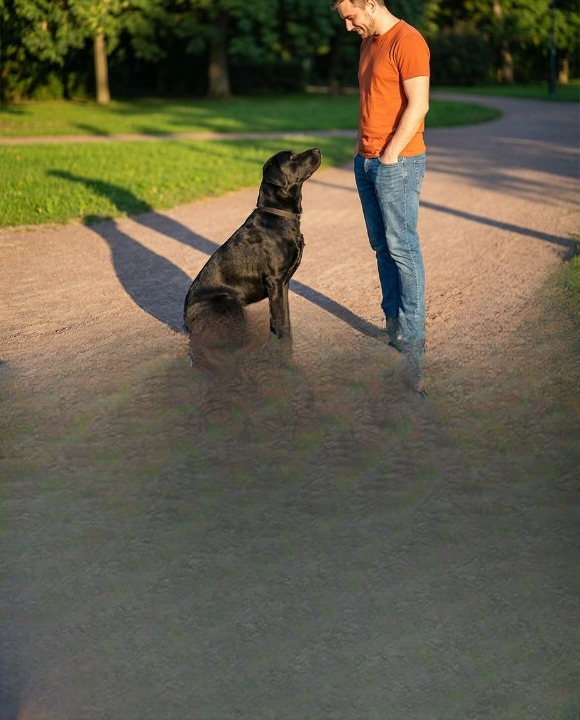
For many pet owners, there is a moment that feels slightly awkward: a dog approaches a guest or a stranger and begins sniffing with intense curiosity, sometimes focusing on areas that people consider too personal for comfort. While this behavior can feel embarrassing from a human perspective, it is completely natural for dogs and plays an essential role in how they understand the world.
Rather than being inappropriate or poorly trained, this behavior is deeply rooted in canine biology and communication. When we take a closer look at why dogs behave this way, the situation becomes far less awkward and far more fascinating. In reality, what may seem socially uncomfortable to us is, for dogs, a highly efficient way of gathering information.
This article explores the science behind why dogs sniff certain areas, what they are actually learning, and how pet owners can manage the behavior in a way that respects both human comfort and a dog’s natural instincts.
Seeing the World Through a Dog’s Nose
Humans rely heavily on sight to understand their surroundings. We recognize faces, read body language, and interpret expressions. Dogs, on the other hand, rely primarily on their sense of smell.
For a dog, scent is not just an added sense—it is their main source of information. When a dog sniffs a person, another animal, or an object, it is gathering details that go far beyond what humans can perceive.
To put this into perspective:
- Dogs have up to 300 million scent receptors in their noses
- Humans have about 5–6 million
- The area of a dog’s brain dedicated to processing smells is significantly larger than in humans
This means that when a dog smells something, it is not just detecting a simple odor. It is interpreting layers of information, almost like reading a detailed report.
Why Dogs Focus on Specific Areas
One of the most commonly misunderstood aspects of canine behavior is why dogs tend to sniff certain parts of the human body more than others. The answer lies in biology.
Humans have different types of sweat glands, and some of them produce chemical signals that are especially informative to animals.
Apocrine Glands and Scent Signals
Apocrine glands are found in areas such as:
- The underarms
- The groin region
These glands release substances that contain pheromones—chemical signals that carry information about a person.
To a dog, these scents can reveal details such as:
- Identity
- Emotional state
- Age and biological characteristics
- Changes in body chemistry
Because these glands are concentrated in specific areas, dogs naturally focus their attention there. From their perspective, they are simply going straight to the most information-rich source.
What Dogs Actually Learn From Smelling
When a dog sniffs someone, it is gathering much more than just a general impression. The process is surprisingly detailed.
Dogs can detect:
- Where a person has been
- What they may have eaten
- Whether they have interacted with other animals
- Emotional changes such as stress or calmness
Some research even suggests that dogs may notice subtle changes in human body chemistry linked to health conditions. This is why dogs are sometimes trained to assist in medical detection roles.
While a casual pet is not analyzing things at that level, the same biological system is at work every time they sniff.
The Role of the Jacobson’s Organ
Another important part of a dog’s sensory system is the Jacobson’s organ, also known as the vomeronasal organ.
This specialized organ is located in the roof of a dog’s mouth and allows them to process chemical signals in a unique way. It helps them “interpret” scents beyond what the nose alone can do.
When a dog sniffs and then slightly opens its mouth or pauses, it may be using this organ to analyze scent particles more deeply.
This adds another layer to how dogs gather information and explains why their sense of smell is so advanced.
Sniffing as a Form of Greeting
In the canine world, sniffing is a completely normal and essential part of social interaction.
When dogs meet each other, they rely heavily on scent to establish familiarity and reduce uncertainty. This process helps them determine:
- Whether another dog is friendly
- Whether there is any potential threat
- How to behave in the interaction
When a dog greets a human in a similar way, it is simply applying the same instinct. From the dog’s perspective, it is performing a standard introduction.
Why This Behavior Can Feel Uncomfortable
While sniffing is normal for dogs, it does not always align with human social norms. People may feel uncomfortable or unsure about how to respond when a dog approaches them in this way.
This discomfort often comes from:
- Differences in social expectations
- Lack of understanding about canine behavior
- Concern about personal space
It is important to remember that the dog is not trying to cause discomfort. It is simply following instinct.
Managing the Behavior Without Suppressing It
The goal for pet owners is not to eliminate this behavior entirely. Since it is natural and important for dogs, trying to stop it completely can lead to confusion or stress.
Instead, the focus should be on managing how the behavior is expressed.
Redirecting Attention
Training a dog to perform alternative behaviors can help guide their interactions in a more socially comfortable way.
Examples include:
- Asking the dog to sit when meeting new people
- Teaching a “touch” command (nose to hand)
- Encouraging calm greetings
These actions allow the dog to gather information while keeping interactions appropriate.
Positive Reinforcement and Training
Positive reinforcement is one of the most effective ways to shape behavior.
When a dog greets someone calmly or follows a command, rewarding that behavior encourages them to repeat it in the future.
This approach helps:
- Build trust between owner and dog
- Reduce unwanted behaviors
- Create predictable and comfortable interactions
The Emotional Benefits for Dogs
Allowing dogs to engage in controlled sniffing can actually improve their emotional well-being.
Sniffing helps dogs:
- Feel more secure in new environments
- Reduce anxiety
- Process unfamiliar situations
A dog that is able to gather information through scent is often calmer and more confident.
Helping Guests Feel Comfortable
When introducing a dog to guests, clear communication can make a big difference.
Pet owners can:
- Explain the dog’s behavior in advance
- Guide the dog’s greeting with commands
- Reassure guests that the behavior is normal
Simple steps like offering a hand for the dog to sniff can create a more comfortable interaction for everyone involved.
Building a Balanced Approach
The key to managing this behavior is balance.
Dogs need the freedom to use their natural senses, but they also need guidance to navigate human environments.
A balanced approach includes:
- Understanding canine instincts
- Setting clear boundaries
- Using consistent training
- Being patient during interactions
Common Misconceptions About Sniffing
There are several myths about why dogs sniff people in certain ways.
Myth: It’s a sign of bad behavior
Reality: It is a natural instinct and part of communication
Myth: Dogs are being disrespectful
Reality: Dogs do not interpret social boundaries the same way humans do
Myth: It should be completely stopped
Reality: It should be managed, not eliminated
The Science Behind Curiosity
Dogs are naturally curious animals. Their desire to explore their environment is a key part of how they learn and adapt.
Sniffing is one of the primary ways they satisfy this curiosity.
By allowing dogs to explore safely and appropriately, owners support their mental stimulation and overall well-being.
Strengthening the Human–Dog Bond
Understanding why dogs behave the way they do can strengthen the relationship between pets and their owners.
When owners recognize that sniffing is a form of communication rather than misbehavior, they can respond with patience and guidance.
This leads to:
- Better communication
- Increased trust
- A more harmonious living environment
Practical Tips for Everyday Situations
Here are some simple strategies for handling sniffing behavior:
- Keep the dog on a leash during introductions
- Use commands to guide behavior
- Reward calm interactions
- Stay consistent with training
- Remain calm and patient
These steps can make a significant difference over time.
When to Seek Professional Help
In some cases, a dog’s behavior may become overly persistent or difficult to manage.
If this happens, consulting a professional dog trainer or behaviorist can provide additional support.
They can help:
- Identify underlying causes
- Develop tailored training plans
- Improve overall behavior
A Different Perspective
What may seem awkward at first can become an opportunity to better understand your dog.
By viewing the behavior through a scientific and biological lens, it becomes easier to appreciate the complexity of a dog’s senses.
Instead of seeing it as a problem, it can be seen as a natural and meaningful form of communication.
Conclusion
Dogs rely on their sense of smell in ways that humans often overlook. When they sniff certain areas, they are not acting inappropriately—they are gathering valuable information about the world around them.
Understanding this behavior helps transform moments of discomfort into opportunities for learning and connection.
By managing the behavior with training and patience, pet owners can create an environment where both dogs and people feel comfortable.
In the end, a dog’s nose is not just a source of curiosity—it is one of the most powerful tools they have for understanding their surroundings. And when we learn to respect and guide that instinct, we build stronger, more positive relationships with our canine companions.