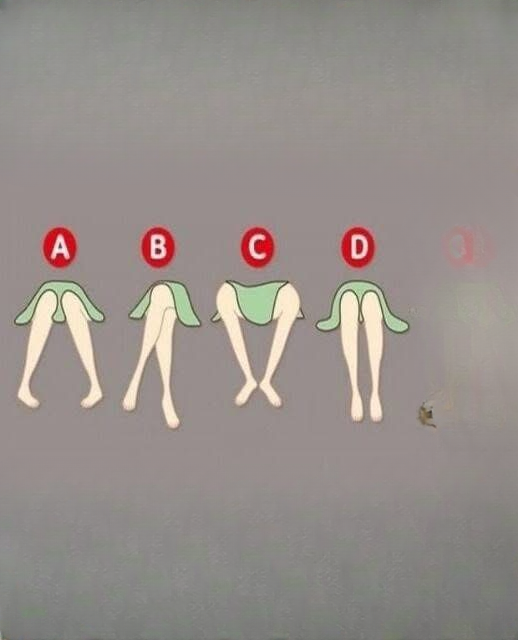
Communication is not limited to words. In fact, a significant portion of human interaction happens without any speech at all. Facial expressions, gestures, eye contact, and posture all contribute to what is commonly called body language. These subtle signals often communicate feelings and attitudes long before someone says anything out loud.
Among the many forms of body language, posture—particularly the way people sit—can sometimes offer small clues about comfort, mood, and personality tendencies. While no single posture can fully define a person’s character, behavioral researchers often study physical habits to understand how people express themselves in everyday situations.
Sitting is something most people do many times each day. Whether at a desk, in a café, on public transportation, or relaxing at home, everyone develops natural ways of sitting that feel most comfortable. Over time, these habits may become so familiar that we rarely think about them.
However, observing these patterns can sometimes reveal interesting insights about how individuals approach social interactions, relaxation, or focus.
It is important to remember that body language interpretations are not strict rules. The way someone sits can be influenced by many factors including physical comfort, cultural norms, environment, clothing, and even temporary mood.
Still, exploring these common sitting styles can be an engaging way to reflect on personal habits and better understand the subtle ways posture communicates with others.
In this article, we will explore several common sitting positions and discuss what behavioral experts sometimes associate with them.
Why Body Language Matters in Everyday Communication
Body language plays an important role in how people perceive one another. In many situations, posture and physical gestures are interpreted quickly—often subconsciously—by others around us.
For example, when someone sits upright with an open posture, they may appear attentive or confident. On the other hand, someone who sits hunched forward might appear tired or deep in thought.
These impressions are not always accurate, but they still influence how people interact.
Researchers studying communication frequently note that nonverbal signals can reinforce, contradict, or complement spoken words. A person might say they feel relaxed, but if their posture appears tense, observers may interpret the situation differently.
Because of this, becoming aware of posture can help people better understand both how they present themselves and how they interpret others.
Comfort, Habit, and Personality
One of the reasons sitting posture can be interesting to analyze is that it often develops naturally over time.
Children experiment with different positions while sitting on chairs, floors, or couches. As they grow older, certain postures simply feel more comfortable than others. Eventually these positions become automatic.
However, posture does not exist in isolation. It is influenced by multiple factors, including:
• Physical comfort and flexibility
• Cultural expectations
• Clothing or footwear
• Environment (formal vs. casual settings)
• Personal habits developed over time
Because of these influences, a single posture should never be used to judge someone’s personality definitively. Instead, posture can be seen as a small reflection of how someone feels at a particular moment.
Sitting Style One: Knees Together with Feet Angled Outward
One commonly observed sitting style involves keeping the knees close together while allowing the feet to angle outward slightly.
This position sometimes appears relaxed yet organized. People who naturally sit this way may simply find it comfortable or balanced.
Behavioral observers occasionally associate this posture with individuals who enjoy social interaction and creative thinking. They may appreciate lively conversations, storytelling, or exploring new ideas.
Such individuals may also enjoy environments where communication flows easily and people feel comfortable expressing themselves.
Because this sitting style often looks approachable, observers may interpret it as a friendly or welcoming posture.
However, these impressions depend heavily on context and personal differences.
Sitting Style Two: Crossing One Leg Over the Other
Another very common posture involves crossing one leg over the other while seated.
This position is often seen in both casual and professional settings. Some people adopt it for comfort, while others find it helps them maintain balance when sitting for long periods.
Individuals who prefer this posture may appear thoughtful or reflective. Observers sometimes associate this position with people who enjoy considering different viewpoints before forming conclusions.
Crossing the legs can also create a slightly closed posture, which may give the impression that someone values personal space or quiet focus.
Yet in relaxed environments, the same position can simply indicate comfort and familiarity.
Sitting Style Three: Leaning Back Comfortably
A different posture involves leaning slightly back in a chair while keeping the body relaxed.
People who sit this way often appear comfortable and at ease in their surroundings. This posture may suggest that the individual feels confident in the environment or conversation.
Observers sometimes interpret this sitting style as reflecting a calm or balanced mindset. Individuals who adopt it may enjoy taking time to observe situations before participating actively.
Because leaning back can create an open and relaxed appearance, it may also suggest someone who appreciates a comfortable atmosphere and harmonious interactions.
Sitting Style Four: Sitting Upright with Feet on the Floor
Another widely recognized sitting posture involves sitting upright with both feet placed firmly on the floor.
This position is commonly encouraged in workplaces, classrooms, and formal meetings because it supports good posture and attentiveness.
People who naturally sit this way may appear organized and focused. The posture creates a sense of readiness, suggesting that the individual is engaged with the situation around them.
Observers sometimes associate this sitting style with confidence and practicality. It can convey the impression that someone is prepared to communicate clearly and participate actively.
Of course, this posture may also simply reflect good ergonomic habits developed through work or study environments.
Sitting Style Five: Sitting with Legs Close Together
Some people prefer to sit with their legs positioned closely together, maintaining a compact posture.
This style can appear composed and thoughtful. Observers sometimes interpret it as a sign of attentiveness or reflection.
Individuals who adopt this posture may feel comfortable in structured environments where focus and concentration are important.
However, the posture may also be influenced by practical considerations such as available space or seating arrangements.
How Context Influences Sitting Behavior
It is important to remember that posture often changes depending on the environment.
For example:
• In a formal meeting, people may sit upright and attentive.
• In a relaxed living room, they may lean back comfortably.
• On public transportation, posture may depend on available space.
These adjustments happen naturally and do not necessarily reflect deeper personality traits.
Instead, they demonstrate how flexible body language can be.
Cultural Differences in Body Language
Cultural background can also influence sitting habits.
In some cultures, crossing the legs is common and considered comfortable. In others, certain postures may be discouraged in formal settings.
Similarly, the way people position their feet or maintain personal space may vary depending on cultural expectations.
Because of these differences, body language interpretations should always be considered within the appropriate cultural context.
The Role of Mood and Energy
Temporary mood can also affect posture significantly.
For example:
• Someone feeling relaxed may lean back in their chair.
• Someone concentrating intensely may lean forward.
• Someone feeling tired might shift positions frequently.
These changes are normal and reflect the body’s natural response to different emotional states.
Therefore, interpreting posture accurately requires observing patterns over time rather than focusing on a single moment.
The Psychology of Personal Space
Sitting posture can also relate to how individuals manage personal space.
Some people prefer open, expansive positions that take up more room. Others naturally adopt more compact postures.
These preferences may reflect differences in comfort levels within social environments.
For example, someone who feels relaxed among friends may sit more openly than they would in a formal setting.
Again, these behaviors are situational rather than fixed personality traits.
Becoming More Aware of Your Own Posture
Exploring sitting styles can be a useful exercise in self-awareness.
Many people rarely think about how they sit during conversations, meetings, or relaxation.
By paying attention to posture, individuals may notice patterns in how they respond to different situations.
For instance, someone might observe that they sit upright when focused but lean back when comfortable among friends.
Recognizing these patterns can help people understand their own communication habits more clearly.
Practical Benefits of Good Sitting Habits
Beyond communication signals, sitting posture also influences physical comfort and health.
Maintaining supportive posture can help reduce strain on the back, neck, and shoulders during long periods of sitting.
Ergonomic recommendations often include:
• Keeping feet flat on the floor
• Supporting the lower back
• Avoiding slouching for long periods
• Adjusting chair height when possible
Developing healthy sitting habits can improve both comfort and productivity.
Why Body Language Should Be Interpreted Carefully
While body language studies can be fascinating, experts emphasize that posture alone cannot determine someone’s personality or intentions.
A single gesture or position may have many possible explanations.
For example, someone crossing their arms might be feeling cold rather than defensive. Similarly, someone leaning back might simply be adjusting their position.
Because of this, interpreting body language accurately requires considering the full context of a situation.
The Fun of Observing Everyday Behavior
Despite its limitations, exploring body language can still be an enjoyable way to observe everyday behavior.
Watching how people naturally sit during conversations, meetings, or social gatherings can reveal interesting patterns.
These observations remind us that communication happens on many levels simultaneously.
Even small gestures contribute to the way people express themselves.
Body Language as a Tool for Better Communication
Understanding posture and body language can also help improve communication.
When people become more aware of their own gestures and posture, they may notice how these signals influence interactions.
For example:
• Sitting upright may help convey attentiveness.
• Relaxed posture can create a comfortable atmosphere.
• Open body language can make conversations feel more welcoming.
These small adjustments can sometimes enhance clarity and connection during discussions.
A Reminder That Everyone Is Unique
Ultimately, the way someone sits is just one small part of their overall behavior.
Every individual has unique habits, preferences, and experiences that shape how they interact with the world.
Rather than using posture to categorize people, it can be more helpful to view it as an interesting piece of the larger communication puzzle.
Observing these patterns with curiosity rather than judgment allows us to appreciate the diversity of human behavior.
Conclusion: Small Habits, Interesting Insights
The way people sit may seem like a minor detail, but it can quietly reflect aspects of comfort, focus, and social interaction.
Body language researchers often explore these habits to understand how posture contributes to nonverbal communication.
While no sitting position can define personality, paying attention to these patterns can encourage greater awareness of how we express ourselves.
Whether someone sits upright, crosses their legs, leans back comfortably, or keeps their feet firmly on the floor, each posture simply represents a moment of personal comfort.
By observing these everyday habits, we gain a deeper appreciation for the subtle ways humans communicate without words.
Sometimes the smallest gestures—like the way we sit—can remind us that communication is happening all around us, even in the quietest moments.