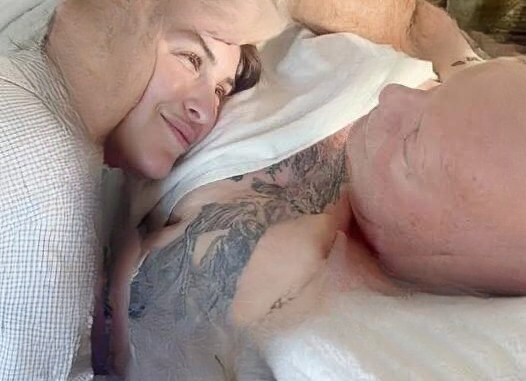
In recent years, fans around the world have been coming to terms with heartbreaking news about one of Hollywood’s most beloved action stars. It has been a deeply emotional period for those who grew up watching his iconic performances, as well as for the entertainment industry at large. The conversation surrounding Bruce Willis is no longer focused on box office numbers or blockbuster premieres, but rather on compassion, awareness, and support during a challenging health journey.
This article explores the circumstances surrounding Bruce Willis’s health, the diagnosis that changed his life, the impact on his family and career, and the broader importance of raising awareness about neurodegenerative conditions. While the news has been difficult, it has also sparked meaningful conversations about empathy, dignity, and the human side of fame.
Who Is Bruce Willis?
To understand the weight of recent events, it’s important to reflect on the extraordinary career of Bruce Willis.
Born in 1955, Bruce Willis became one of the most recognizable faces in Hollywood. He first gained widespread attention in the 1980s television series Moonlighting, but it was his role as John McClane in the 1988 blockbuster Die Hard that cemented his legacy as an action legend. The film’s success launched a franchise and established Willis as a leading man capable of blending toughness with wit and vulnerability.
Over the decades, he starred in a wide range of films, including thrillers, dramas, comedies, and science fiction hits. His performances in Pulp Fiction, The Sixth Sense, and Armageddon showcased his versatility and solidified his place among Hollywood’s elite. For many fans, Bruce Willis represents an era of cinema defined by charisma, resilience, and unforgettable one-liners.
However, beyond the screen persona was a devoted father, husband, and friend—roles that have taken on deeper significance in recent years.
The First Signs Something Was Wrong
In 2022, the Willis family publicly shared that Bruce had been experiencing health challenges that were affecting his cognitive abilities. The initial diagnosis was aphasia, a condition that impacts a person’s ability to communicate. Aphasia can affect speaking, writing, and understanding language, depending on the severity and the underlying cause.
For an actor whose craft depends heavily on dialogue, memory, and emotional expression, the diagnosis was particularly impactful. The news prompted Bruce Willis to step away from acting—a decision that marked the end of an era in Hollywood.
The announcement was met with an outpouring of support from fans and fellow actors. Messages of love and gratitude flooded social media platforms, highlighting how deeply Willis’s work had touched audiences around the world.
A More Specific Diagnosis
In early 2023, the family provided an update that brought further clarity. Bruce Willis was diagnosed with frontotemporal dementia (FTD), a progressive neurodegenerative disorder. This condition affects the frontal and temporal lobes of the brain, areas responsible for behavior, personality, language, and decision-making.
Frontotemporal dementia is less common than Alzheimer’s disease but can be especially challenging because it often appears at a younger age, sometimes in a person’s 50s or 60s. Symptoms may include changes in personality, difficulty with language, impaired judgment, and behavioral shifts.
Unlike some other forms of dementia, FTD does not typically begin with memory loss. Instead, it can present as subtle changes in communication or behavior, which may be misunderstood in the early stages.
The confirmation of this diagnosis was undoubtedly difficult for the family, yet their openness helped shed light on a condition that is often misunderstood or overlooked.
What Is Frontotemporal Dementia?
Frontotemporal dementia is a group of disorders caused by progressive nerve cell loss in the brain’s frontal and temporal lobes. As these cells deteriorate, individuals may experience:
-
Changes in personality or social behavior
-
Difficulty with language or speech
-
Reduced empathy or emotional awareness
-
Challenges in planning and decision-making
The disease progresses over time, and while treatments can help manage certain symptoms, there is currently no cure.
By sharing Bruce Willis’s diagnosis publicly, his family contributed to broader awareness about FTD. Many advocacy organizations reported increased interest and inquiries following the announcement, suggesting that high-profile cases can help drive important conversations about neurological health.
The Emotional Impact on Family
Bruce Willis’s family has remained united and supportive throughout this journey. His wife, Emma Heming Willis, and his former spouse, Demi Moore, along with his children, have frequently expressed gratitude for the love and encouragement from fans.
Their public statements have emphasized compassion and understanding. They have also encouraged others facing similar diagnoses to seek support and to advocate for research into neurodegenerative diseases.
One powerful aspect of this story has been the visible unity of a blended family coming together. It serves as a reminder that health challenges can transcend personal history and bring people closer in shared care and devotion.
Stepping Away from the Spotlight
For decades, Bruce Willis thrived in front of the camera. His departure from acting was not just a career decision but a necessary step to prioritize health and well-being.
The transition marked the end of a chapter not only for him but also for audiences who had followed his work for generations. Yet many fans have expressed appreciation for the body of work he leaves behind. His films continue to be watched, quoted, and celebrated worldwide.
In a way, his retirement from acting allows for reflection—on the joy, excitement, and inspiration his performances brought to millions.
Raising Awareness About Neurodegenerative Diseases
One of the most significant outcomes of Bruce Willis’s public health journey has been increased awareness about aphasia and frontotemporal dementia.
Before his diagnosis was announced, many people were unfamiliar with FTD. Media coverage and family advocacy helped educate the public about:
-
Early warning signs
-
The importance of neurological evaluations
-
Support resources for families
-
The need for research funding
Neurodegenerative diseases affect millions of families globally. By speaking openly, the Willis family has contributed to reducing stigma and encouraging understanding.
The Power of Public Support
The response from fans has been overwhelmingly compassionate. Tributes, retrospectives, and heartfelt messages continue to appear online and in the press.
Colleagues in the film industry have also shared stories of Bruce Willis’s kindness, humor, and professionalism. These reflections paint a fuller picture of the man behind the action-hero image.
In times of difficulty, such collective support can provide comfort. It also reinforces the idea that public figures are, at their core, human beings deserving of empathy and dignity.
A Legacy That Endures
Although Bruce Willis is no longer active in film, his influence remains undeniable. His roles have become part of cinematic history, and his performances continue to entertain new generations.
From high-stakes action scenes to emotionally resonant dramatic moments, his range was remarkable. He demonstrated that a leading man could be both tough and tender, confident and vulnerable.
Legacy is not measured solely in awards or box office totals—it is reflected in cultural impact, inspiration, and lasting memories. In that regard, Bruce Willis’s legacy is secure.
Finding Meaning in Difficult Moments
Health challenges often bring unexpected lessons. For families facing neurodegenerative conditions, the journey can be filled with uncertainty. Yet stories like this also highlight resilience, unity, and the importance of community support.
The openness of the Willis family has encouraged conversations about planning, caregiving, and prioritizing time with loved ones. It has reminded many people of the value of empathy when discussing someone’s health.
While the phrase “saying goodbye” can feel heavy, it does not necessarily mean forgetting. Instead, it can signify cherishing memories and honoring contributions.
Looking Ahead
Research into frontotemporal dementia continues, with scientists working to better understand its causes and develop effective treatments. Advocacy efforts have gained momentum, and increased awareness may lead to greater funding and breakthroughs in the future.
For now, the focus remains on supporting Bruce Willis and his loved ones. Their journey serves as both a personal story and a broader reminder of the challenges many families face.
Final Thoughts
Bruce Willis’s health journey has been marked by courage, transparency, and the unwavering support of family and fans. While the diagnosis of frontotemporal dementia represents a significant life change, it has also inspired meaningful conversations about neurological health and compassion.
As admirers reflect on his career, they do so with gratitude. His films continue to bring excitement, laughter, and emotion to audiences worldwide. More importantly, his story encourages kindness and awareness during life’s most difficult chapters.
In celebrating his legacy and acknowledging his health challenges with respect, we honor not just a movie star, but a human being navigating a profound personal journey.
Bruce Willis may have stepped away from the spotlight, but the light he brought to cinema—and to the hearts of many—remains bright.