Introduction: Summer Insects and Public Awareness
Warm weather often brings opportunities to spend more time outdoors. Gardens bloom, parks fill with visitors, and many families enjoy evenings on patios or backyard spaces.
Alongside these seasonal pleasures, summer also brings increased insect activity. Most insects encountered during this time are harmless or only mildly irritating, such as mosquitoes or flies. However, certain species can pose health concerns if people are not aware of them.
One insect that has received increased attention in recent years is commonly known as the Kissing Bug. This insect belongs to a larger group called Assassin Bugs, which are predatory insects found in many parts of the world.
While most assassin bugs are beneficial predators that help control other insects, a few species in this group can transmit a parasite that causes Chagas Disease.
Public health organizations such as the Centers for Disease Control and Prevention emphasize that awareness—not panic—is the most effective way to reduce risk.
Learning how these insects behave, where they live, and what to do if you encounter one can help individuals and families stay informed and prepared.
This article provides a comprehensive overview of kissing bugs, including how they are identified, where they are commonly found, potential health concerns associated with them, and practical steps for prevention and response.
What Are Assassin Bugs?
The term assassin bug refers to a large family of insects scientifically known as Reduviidae. This group includes thousands of species found across many regions of the world.
Most members of this family are predators that feed on other insects. Because they help control pests such as beetles, caterpillars, and aphids, they are often considered beneficial in gardens and agricultural environments.
However, a smaller subgroup of these insects, known as triatomine bugs, has a different behavior.
These insects are sometimes referred to as kissing bugs due to their tendency to bite near the face while people sleep.
Although encounters are relatively uncommon, they have attracted attention because they can carry parasites associated with Chagas Disease.
Why They Are Called “Kissing Bugs”
The nickname “kissing bug” comes from the insect’s feeding habits.
When these insects feed, they often target areas of exposed skin. Because people typically sleep with their faces uncovered, bites sometimes occur near the mouth or eyes.
This behavior led to the informal name “kissing bug.”
Despite the nickname, the insect is not attracted specifically to lips or kisses. Instead, it simply targets accessible skin areas while feeding.
Understanding this helps remove some of the myths that have circulated online about these insects.
Physical Characteristics
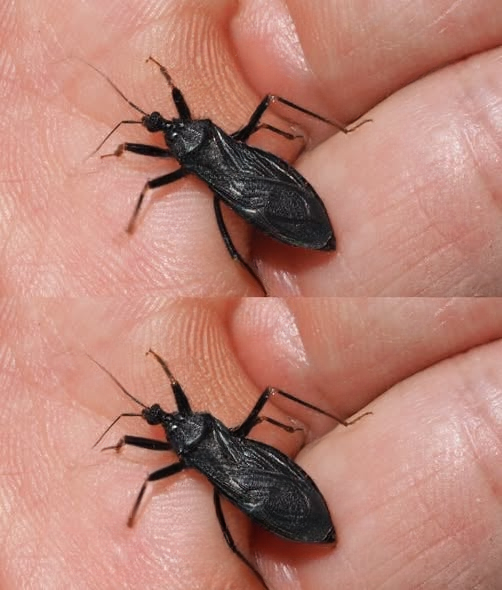
Recognizing a kissing bug can help people distinguish it from harmless insects.
These insects generally have:
-
A long, narrow body
-
Dark brown or black coloration
-
Reddish or orange markings along the edges of the abdomen
-
A cone-shaped head
-
Long legs and antennae
Most species measure between half an inch and one inch in length.
Although they can fly, they are more commonly found crawling in sheltered areas.
Because other insects may resemble them, proper identification is important before assuming an insect is a kissing bug.
Local health departments or university extension offices often assist with identification.
Where Kissing Bugs Are Found
Kissing bugs occur in several regions of the Americas, including parts of the southern United States.
They are particularly common in warmer climates.
In the United States, sightings are more frequently reported in states such as:
-
Texas
-
Arizona
-
New Mexico
-
California
-
Louisiana
However, they have been documented in many other states as well.
According to the Centers for Disease Control and Prevention, these insects are typically found in outdoor environments rather than inside homes.
Typical Habitats
Kissing bugs prefer sheltered locations where they can hide during the day and emerge at night to feed.
Common habitats include:
-
Wood piles
-
Rock piles
-
Animal nests
-
Under porches or decks
-
Outdoor storage areas
They may also hide in cracks or gaps around buildings.
Homes with pets or livestock nearby may attract them because these animals provide potential food sources.
However, indoor encounters remain relatively rare compared to outdoor sightings.
Understanding Chagas Disease
The primary health concern associated with kissing bugs is their potential connection to Chagas Disease.
This illness is caused by a parasite called Trypanosoma cruzi.
The parasite is transmitted through contact with infected insect feces rather than the bite itself.
When a kissing bug feeds, it may leave droppings near the bite site. If those droppings enter the body through broken skin or mucous membranes, infection can occur.
It is important to note that not all kissing bugs carry the parasite.
Even in areas where the insects are present, the risk of infection remains relatively low.
Symptoms of Chagas Disease
In the early stage of infection, some individuals may experience mild symptoms.
These symptoms can include:
-
Fever
-
Fatigue
-
Headache
-
Body aches
-
Skin rash
-
Swelling near the bite area
However, many people experience few or no noticeable symptoms during the early phase.
Because of this, the infection can sometimes go undetected.
In rare cases, untreated infections may lead to complications affecting the heart or digestive system many years later.
This is why medical evaluation is recommended when exposure is suspected.
Why Early Detection Matters
Medical professionals emphasize that early detection allows for effective monitoring and treatment when necessary.
If someone suspects they have been bitten by a kissing bug, healthcare providers may recommend a blood test to check for infection.
Testing can provide reassurance and guide appropriate care.
Many individuals who receive early treatment recover fully without long-term health issues.
What to Do If You Are Bitten
If you believe you have been bitten by a kissing bug, experts recommend several practical steps.
1. Stay Calm
Most insect bites are harmless and resolve without complications.
Remaining calm helps ensure that the situation is handled thoughtfully.
2. Wash the Area
Clean the bite site with soap and water to reduce the risk of infection.
3. Avoid Scratching
Scratching can irritate the skin and potentially introduce bacteria.
4. Seek Medical Advice
Contact a healthcare professional if you suspect exposure to a kissing bug.
They may recommend monitoring symptoms or conducting a blood test.
Identifying the Insect
If possible, capturing the insect safely can help with identification.
Experts recommend placing the insect in a sealed container without touching it directly.
Local health departments, universities, or extension services may assist in identifying the species.
Proper identification helps determine whether further medical evaluation is needed.
Preventing Encounters at Home
Reducing the likelihood of kissing bugs entering homes involves several simple steps.
Seal Entry Points
Inspect doors, windows, and walls for cracks or gaps and seal them appropriately.
Install Screens
Window and door screens help prevent insects from entering living spaces.
Use Outdoor Lighting Wisely
Bright lights attract many insects. Using yellow or dim outdoor lighting can reduce attraction.
Yard Maintenance
Outdoor environments play a significant role in insect activity.
Keeping yards tidy can reduce potential hiding places.
Recommended practices include:
-
Removing wood or debris piles
-
Keeping vegetation trimmed away from the house
-
Storing firewood away from living areas
These steps help limit habitats where insects might shelter.
Protecting Pets and Animals
Pets and livestock can sometimes attract kissing bugs because they serve as potential hosts.
Pet owners can reduce risk by:
-
Keeping pet sleeping areas clean
-
Avoiding outdoor pet beds near walls or porches
-
Checking animal bedding regularly
Veterinarians can provide guidance if pet owners have concerns about exposure.
Public Health Awareness
Public health organizations focus on education rather than alarm when discussing kissing bugs.
Awareness helps communities recognize potential risks while avoiding unnecessary fear.
Programs led by institutions such as the Centers for Disease Control and Prevention provide reliable information about insect identification, prevention, and health monitoring.
Accurate information helps counter misinformation that sometimes spreads online.
Misconceptions About Kissing Bugs
Because the topic sometimes appears in viral posts, several misconceptions exist.
Some people believe kissing bugs are widespread inside homes or frequently attack people.
In reality:
-
Indoor infestations are uncommon in many regions
-
Most encounters occur outdoors
-
Not all kissing bugs carry the parasite responsible for Chagas Disease
Understanding these facts helps place the risk in proper perspective.
The Role of Insects in Ecosystems
While some species may carry health risks, insects also play essential roles in ecosystems.
Many assassin bugs help control agricultural pests by feeding on harmful insects.
This natural pest control benefits gardens and crops.
Balanced ecosystems rely on diverse insect populations.
Therefore, the goal is not to eliminate all insects but to manage risks through awareness and prevention.
Seasonal Activity
Kissing bugs tend to be more active during warmer months.
In many regions, activity increases during summer when temperatures rise and food sources become more abundant.
People who spend time outdoors at night may occasionally encounter them.
Simple precautions such as using screens and maintaining clean outdoor areas can significantly reduce risk.
Community Reporting
Some public health agencies encourage residents to report suspected sightings.
Citizen reporting helps researchers track insect populations and understand how they move across regions.
Local universities often maintain online forms where people can submit photos or specimens for identification.
These programs contribute to better scientific knowledge and public safety.
Scientific Research
Researchers continue studying kissing bugs to understand their behavior and distribution.
Studies examine factors such as:
-
Climate conditions
-
Habitat preferences
-
Parasite transmission patterns
This research helps improve prevention strategies and public health recommendations.
Travel Considerations
In certain parts of Latin America, the risk of Chagas Disease transmission is higher than in the United States.
Travelers visiting rural areas may encounter housing conditions where the insects are more likely to live.
Using bed nets, maintaining clean sleeping areas, and staying in well-constructed accommodations can help reduce risk.
Travel health clinics often provide guidance for individuals visiting these regions.
The Importance of Reliable Information
Because insect-related health topics can sometimes become sensationalized online, relying on trusted sources is essential.
Organizations such as the Centers for Disease Control and Prevention provide science-based guidance that helps people understand real risks.
Accurate information allows individuals to make informed decisions without unnecessary anxiety.
Balanced Awareness
Public health experts emphasize a balanced approach when discussing kissing bugs.
Awareness helps people recognize potential risks and take preventive steps.
However, the presence of these insects does not mean people should avoid outdoor activities or become overly concerned.
Simple precautions and knowledge are usually sufficient to manage risk effectively.
Teaching Children About Insects Safely
Parents can use the topic of insects as an opportunity to teach children about nature and safety.
Children can learn to:
-
Avoid touching unfamiliar insects
-
Inform adults if they see unusual bugs
-
Keep sleeping areas clean
These lessons help promote both curiosity about nature and responsible behavior.
Conclusion: Awareness Is the Best Protection
The Kissing Bug, a member of the broader Assassin Bugs family, is an insect that occasionally attracts public attention due to its potential link to Chagas Disease.
While encounters are relatively uncommon in many regions, understanding how these insects behave and where they live can help people reduce risk.
Simple steps such as maintaining clean outdoor spaces, sealing entry points in homes, and seeking medical advice after suspected bites provide effective protection.
Organizations like the Centers for Disease Control and Prevention emphasize that knowledge and awareness remain the most valuable tools.
By staying informed and practicing basic prevention strategies, individuals and families can enjoy outdoor activities with confidence while minimizing potential health concerns.