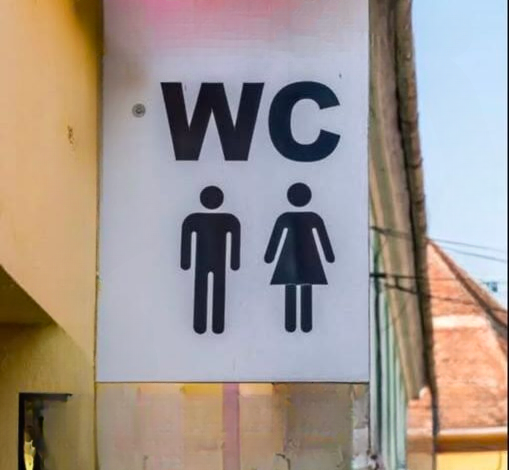
If you have ever traveled internationally or visited older buildings in Europe, Asia, or parts of the Middle East, you have probably noticed a simple two-letter sign near public restrooms: WC. For many travelers, the symbol is instantly recognizable as indicating a place to use the toilet. However, fewer people actually know what the abbreviation stands for or how it became one of the most widely understood restroom indicators in the world.
Despite the constant evolution of language, architecture, and sanitation technology, the letters “WC” have remained surprisingly consistent for more than a century. The abbreviation is short, practical, and easy to recognize across different cultures and languages. Yet behind those two letters lies a long story about the development of modern plumbing, social etiquette, and changing ideas about hygiene and privacy.
Understanding the meaning of “WC” offers more than just a translation of an abbreviation. It reveals how households and cities adapted to new technologies during the rise of indoor plumbing and how societies gradually redefined the concept of the modern bathroom. What began as a technical description of a small room eventually became a global symbol that travelers depend on every day.
In this article, we will explore the origin of the term “water closet,” how bathroom design evolved over time, why the abbreviation continues to appear on signs around the world, and how cultural differences have shaped the language we use for restrooms today.
The Literal Meaning of WC
The abbreviation WC stands for “water closet.”
Historically, a water closet referred to a small enclosed room containing a flush toilet. The name may sound unusual today, but it was a logical description when the technology first appeared.
Before modern plumbing systems existed, most homes did not have indoor toilets. Waste disposal was typically handled outdoors using privies, outhouses, or chamber pots. When early flush toilets were introduced in the 18th and 19th centuries, they represented a major technological advancement. Because they required running water to function, the device was often described as a water-powered closet—hence the name water closet.
The term “closet” in this context did not refer to clothing storage, as it does in modern American English. Instead, it meant a small private room or enclosed compartment. In earlier centuries, closets were commonly used for storage, study, prayer, or other private activities.
Therefore, a water closet literally meant a small private room containing a water-flushing toilet.
This straightforward description became widely used during the rise of indoor plumbing, particularly in Europe and North America during the 1800s.
Bathrooms and Toilets Were Once Separate Rooms
One reason the phrase “water closet” might sound unusual today is that bathrooms did not originally function the way they do now.
In many modern homes, the bathroom is a multi-purpose space containing:
-
A toilet
-
A sink
-
A bathtub or shower
-
Storage for toiletries
However, this layout is actually a relatively recent design.
During the 19th century, bathing and toilet use were often treated as completely separate activities. Because of this, houses were sometimes built with two different rooms:
-
The bathroom – a room containing a bathtub used primarily for bathing.
-
The water closet – a smaller room used only for the toilet.
These spaces could be located near each other, but they were frequently separate areas of the house.
There were several reasons for this separation.
1. Privacy and Social Norms
Victorian society placed strong emphasis on modesty and etiquette. Activities related to bodily functions were rarely discussed openly, and the idea of combining them with bathing in the same room seemed inappropriate to some people.
By placing the toilet in its own small compartment, households maintained a sense of privacy and social distance from something considered unpleasant or embarrassing.
2. Early Plumbing Limitations
Early plumbing systems were far less reliable than modern ones. Odors, leaks, and mechanical problems were common concerns.
Keeping the toilet in a separate room helped reduce worries about smells spreading throughout the home. Although this separation was not always necessary from a technical standpoint, many people believed it helped maintain cleanliness.
3. Architectural Tradition
Large homes of the 19th century often included many specialized rooms—parlors, drawing rooms, studies, and servant quarters. The water closet simply became another specialized space dedicated to a specific function.
Over time, however, these separate spaces gradually merged into what we now call the modern bathroom.
The Rise of Indoor Plumbing
To fully understand why the term “water closet” became common, it helps to look at the history of indoor plumbing.
Early Experiments With Flush Toilets
Flush toilets actually date back much earlier than many people realize. Early designs appeared in the late 1500s, including a notable invention by English courtier Sir John Harington, who created a flushing device for Queen Elizabeth I.
However, these early systems were not widely adopted because reliable water supply and sewage infrastructure did not yet exist.
The 19th Century Plumbing Revolution
The real transformation occurred during the 19th century, when rapidly growing cities faced serious sanitation problems. As urban populations increased, waste disposal became a major public health concern.
New plumbing technologies began to spread, including:
-
Improved flush toilets
-
Municipal water supply systems
-
Underground sewage networks
These innovations allowed waste to be transported away from homes more efficiently, dramatically improving sanitation.
Indoor toilets gradually moved from being rare luxury features to more common household amenities.
From Luxury to Standard Household Feature
When indoor plumbing first appeared in private homes, it was considered a symbol of wealth and modern living.
Installing pipes, water tanks, and sewage connections was expensive, so only affluent households could afford the upgrade. Having a dedicated water closet inside the home signaled social status and technological progress.
But as cities invested in better water infrastructure, the cost of plumbing gradually decreased. By the early 20th century, indoor toilets became increasingly common in middle-class homes.
At the same time, architects began combining the separate bathroom and water closet into a single space. This change simplified construction and made homes more efficient.
Eventually, the multi-purpose bathroom became the standard layout found in most modern houses.
Why the Term “WC” Stayed on Signs
Although the architectural layout changed, the abbreviation WC remained widely used, particularly in public places.
There are several reasons why the abbreviation survived.
1. It Is Short and Practical
Signs need to communicate information quickly and clearly. A two-letter abbreviation is easy to print, recognize, and read from a distance.
Compared with longer words like “restroom” or “lavatory,” the letters WC fit neatly on small directional signs.
2. It Transcends Language Barriers
One of the biggest advantages of the abbreviation is that it works across many languages.
Travelers from different countries may use different words for the same facility, but the letters WC have become widely understood internationally.
For someone navigating a busy airport, train station, or city center, the symbol can quickly communicate the location of essential facilities without requiring translation.
3. It Became Standard in Many Regions
Once the abbreviation appeared on signs across Europe and other regions, it became part of the established visual language of public spaces.
Even as new terminology emerged, the existing signage remained familiar and reliable.
Different Words for the Same Place
While “WC” is widely recognized, it is far from the only term used to describe restrooms. In fact, the language surrounding toilets is remarkably diverse.
Different countries—and sometimes different regions within the same country—use different expressions.
United States
Common terms include:
-
Bathroom
-
Restroom
-
Ladies’ room / Men’s room
Interestingly, many public facilities labeled as “bathrooms” do not contain bathtubs at all.
Canada
In Canada, the word washroom is widely used. The term sounds polite and neutral, making it common in public buildings.
United Kingdom
In the UK, people often say:
-
Loo
-
Lavatory
-
Toilet
Each of these words has its own historical origins and cultural associations.
Europe
Many European countries use variations of the word toilet, which originated from the French term toilette.
Despite these differences, the abbreviation WC continues to appear on signs in many European locations.
Why Bathroom Terminology Is Often Indirect
One interesting feature of restroom vocabulary is that many words avoid directly mentioning bodily functions.
Instead, they rely on euphemisms—indirect or polite expressions.
For example:
-
Restroom suggests a place to relax.
-
Washroom implies washing.
-
Bathroom refers to bathing.
These terms soften the language around a basic biological necessity.
The phrase water closet originally served a similar purpose. It described the technology involved rather than the activity itself.
The Role of Signage in Public Design
From a design perspective, restroom signage must solve several challenges at once.
Public spaces such as airports, shopping centers, and train stations serve people from many different cultural backgrounds. Clear signage helps visitors navigate quickly, especially in unfamiliar environments.
The letters WC have proven particularly useful because they are:
-
Compact
-
Easily recognizable
-
Neutral across languages
For this reason, designers often combine the abbreviation with universal pictograms that depict male and female figures or other standardized symbols.
This combination allows the message to be understood even by people who do not read the local language.
The Impact of Sanitation on Public Health
The development of indoor toilets and water closets was not only a matter of convenience. It also played a crucial role in improving public health.
Before modern sewage systems, waste disposal methods were often unsanitary. Contaminated water and poor waste management contributed to the spread of diseases such as cholera and typhoid.
Improved sanitation systems dramatically reduced these risks.
The introduction of reliable flush toilets and sewage infrastructure helped cities become safer and healthier places to live.
In many ways, the humble water closet was part of a broader transformation in urban life.
Modern Restrooms and Changing Design Trends
Today’s restroom designs are far more advanced than the early water closets of the 19th century.
Modern facilities may include features such as:
-
Touchless faucets and soap dispensers
-
Automatic flushing systems
-
Energy-efficient lighting
-
Water-saving plumbing technology
Some buildings also incorporate all-gender restrooms or family facilities designed to accommodate a wider range of users.
Despite these innovations, the simple WC sign often remains unchanged.
Why the Symbol Still Matters
In a world filled with digital screens, navigation apps, and multilingual announcements, a simple two-letter abbreviation might seem outdated.
Yet the WC symbol continues to serve an important purpose.
For travelers rushing through unfamiliar places, clear and recognizable signage can make a big difference. The letters WC offer a quick solution that works regardless of language.
Because of this practicality, the abbreviation has become a lasting feature of global travel culture.
A Small Sign With a Long History
What may look like a simple restroom sign actually reflects more than a century of technological and cultural change.
The abbreviation WC connects modern travelers to an earlier period when indoor plumbing was still a new innovation. It reminds us how architecture, language, and public health have evolved together.
From the first private water closets in wealthy homes to the widespread restrooms found in public buildings today, sanitation technology has dramatically improved quality of life.
And while the design of bathrooms continues to evolve, the familiar letters on the door remain a quiet link to that history.
Final Thoughts
The next time you see a WC sign in an airport, train station, or café, you will know that it stands for water closet—a term that once described a small room containing a flush toilet.
Although modern bathrooms now combine multiple functions in a single space, the abbreviation has endured because of its clarity, simplicity, and international recognition.
In many ways, the two letters represent more than just a restroom. They symbolize the long journey from early sanitation systems to the modern conveniences we often take for granted.
Sometimes the smallest details in everyday life—like a sign on a door—carry the most interesting stories about how society has developed over time.