A clean bathroom is an important part of maintaining a comfortable and healthy home. Among all the cleaning tasks around the house, keeping the toilet spotless can be one of the most noticeable—and sometimes frustrating—jobs.
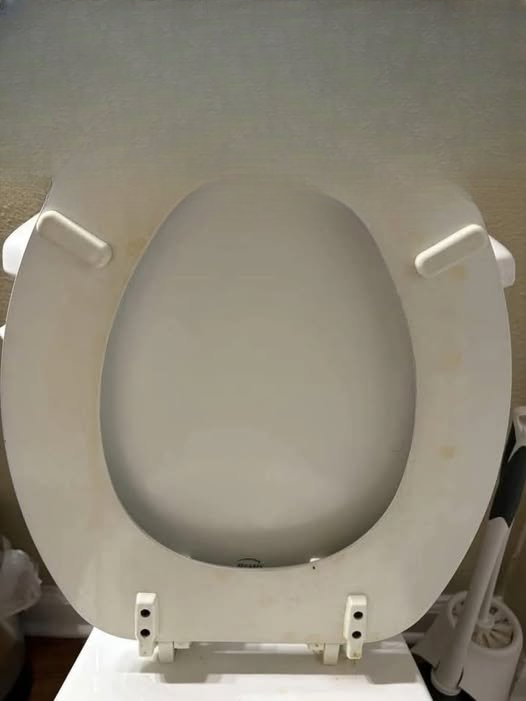
Many homeowners eventually encounter yellow stains on the toilet seat or inside the bowl. These stains can appear gradually and may seem difficult to remove, even after regular cleaning. Over time, they can make an otherwise tidy bathroom look less appealing.
The good news is that most toilet stains can be removed with simple cleaning methods and common household supplies. With the right approach and a little patience, it is possible to restore the appearance of your toilet and prevent stains from returning.
This guide explains why toilet stains form, how to remove them effectively, and how to maintain a cleaner bathroom over time.
Why Yellow Stains Appear on Toilets
Before starting any cleaning process, it helps to understand why stains develop in the first place. Toilets are exposed to constant moisture, minerals from water, and everyday use, which can all contribute to discoloration.
Several common factors may cause yellow stains on toilet seats or inside the bowl.
Hard Water Deposits
One of the most common causes of toilet stains is hard water.
Hard water contains higher levels of dissolved minerals such as calcium, magnesium, and iron. When water evaporates or sits for long periods, these minerals can settle onto surfaces and leave behind residue.
Over time, this mineral buildup may appear as:
-
Yellow or brown rings inside the toilet bowl
-
Chalky deposits near the waterline
-
Stains on the toilet seat or rim
Homes in areas with hard water may experience this type of staining more frequently.
Mineral and Iron Staining
In some regions, water supplies contain small amounts of iron. When iron particles oxidize, they can create reddish or yellowish stains on porcelain surfaces.
These stains can become more noticeable if the toilet is not cleaned regularly.
Moisture and Humidity
Bathrooms naturally have high humidity levels because of showers and sinks. Moisture can create an environment where mold or mildew may develop on surfaces, especially in hidden areas like toilet seat hinges or under the rim of the bowl.
Although these stains may appear yellow, green, or dark in color, they can usually be removed with proper cleaning.
Everyday Dirt and Residue
Regular use of the bathroom can also lead to gradual buildup from dust, soap particles, body oils, and other everyday residues.
When these materials combine with water and mineral deposits, they can create stubborn stains that require a deeper cleaning approach.
Preparing to Clean Your Toilet
Before beginning the cleaning process, it is helpful to gather a few basic supplies. Most of the items needed are common household cleaning products.
Useful Cleaning Supplies
-
Baking soda
-
White vinegar
-
Hydrogen peroxide
-
Mild bathroom cleaner
-
Toilet brush
-
Soft sponge
-
Microfiber cloth
-
Rubber cleaning gloves
-
Old toothbrush for small areas
Using the right tools can make the process much easier and help protect delicate surfaces.
Cleaning Yellow Stains from the Toilet Seat
Toilet seats, especially those made of white plastic, can develop discoloration over time. These stains may appear along the edges, around the hinges, or across the surface of the seat.
Fortunately, several effective cleaning methods can help restore the seat’s appearance.
Baking Soda and Vinegar Method
Baking soda and vinegar are widely used household cleaning ingredients. When combined, they create a gentle reaction that helps loosen dirt and stains.
Steps
-
Mix baking soda with a small amount of white vinegar to create a paste.
-
Apply the paste to the stained areas of the toilet seat.
-
Allow it to sit for about 10–15 minutes.
-
Use a sponge or soft brush to gently scrub the surface.
-
Rinse with warm water and dry with a cloth.
This method works well for general discoloration and light mineral buildup.
Using a Cleaning Sponge
Specialized cleaning sponges designed for household surfaces can help remove stubborn marks on plastic toilet seats.
To use this method:
-
Dampen the sponge slightly with water.
-
Gently rub the stained areas of the seat.
-
Wipe the surface clean with a damp cloth.
-
Dry thoroughly.
These sponges can be effective at lifting marks that regular cloths may not remove.
Hydrogen Peroxide Treatment
If stains remain after basic cleaning, hydrogen peroxide can help brighten the surface.
Instructions
-
Soak a few paper towels in hydrogen peroxide.
-
Place them directly on top of the stained area.
-
Leave them in place for about one hour.
-
Remove the towels and wipe the seat clean.
Hydrogen peroxide has mild whitening properties that can help reduce discoloration without damaging most plastic surfaces.
Cleaning the Hinges and Hidden Areas
Toilet seat hinges often collect dirt because they are small and difficult to reach.
An easy solution is to use an old toothbrush dedicated to cleaning tasks.
Steps
-
Apply a small amount of bathroom cleaner to the hinges.
-
Use the toothbrush to gently scrub around bolts and edges.
-
Wipe away residue with a cloth.
Cleaning these hidden areas regularly can prevent buildup from accumulating over time.
Removing Stains Inside the Toilet Bowl
The toilet bowl is another area where stains commonly appear. Mineral deposits can form along the waterline, while rust-colored marks may develop near the bottom of the bowl.
Several methods can help remove these stains effectively.
Vinegar and Baking Soda Cleaning Method
This combination is widely used for deep cleaning toilet bowls.
Steps
-
Pour one cup of white vinegar into the toilet bowl.
-
Add a small amount of baking soda.
-
Allow the mixture to bubble and sit for about 15–30 minutes.
-
Scrub the bowl with a toilet brush.
-
Flush to rinse the bowl.
This process helps break down mineral deposits and freshen the toilet.
Using a Pumice Stone
For stubborn mineral rings that do not respond to other cleaning methods, a pumice stone designed for toilet cleaning can help remove buildup.
Important Tips
-
Always wet the pumice stone before using it.
-
Scrub gently to avoid scratching the porcelain.
-
Focus only on the stained areas.
When used carefully, a pumice stone can effectively remove hard water rings.
Overnight Cleaning with Borax
Borax powder is another traditional cleaning product that can help remove stains.
Steps
-
Sprinkle borax powder inside the toilet bowl.
-
Allow it to sit overnight if possible.
-
Scrub with a toilet brush the next morning.
-
Flush to rinse.
This method works well for deep-set stains that need extended cleaning time.
Cleaning the Outside of the Toilet
While many people focus on the inside of the bowl, the outside of the toilet also requires regular attention.
Areas that should be cleaned include:
-
The tank
-
The flush handle or button
-
The base of the toilet
-
The area behind the toilet
Dust, moisture, and everyday use can lead to buildup on these surfaces.
Wiping Down the Tank and Seat
Use an all-purpose bathroom cleaner and a microfiber cloth to wipe down the tank and the top of the toilet seat.
Steps
-
Spray the cleaner lightly onto a cloth.
-
Wipe the tank, lid, and seat.
-
Dry the surfaces to prevent streaks.
Cleaning the Toilet Base
The base of the toilet is often overlooked but can collect dust and moisture.
Steps
-
Use a cloth or disinfecting wipe to clean around the base.
-
Pay attention to the small gap between the toilet and the floor.
-
Dry the area thoroughly.
Cleaning the Floor Around the Toilet
The floor around the toilet may accumulate dust, hair, and small debris.
A simple routine includes:
-
Sweeping or dusting the area.
-
Using a disinfectant cleaner on the floor surface.
-
Drying with a clean cloth or mop.
Regular cleaning of the surrounding floor helps maintain overall bathroom hygiene.
Maintaining a Clean Toilet Over Time
Once your toilet is clean, a few simple habits can help keep it that way.
Clean the Toilet Weekly
Regular cleaning prevents stains from becoming difficult to remove. A quick weekly routine can include:
-
Brushing the toilet bowl
-
Wiping the seat and lid
-
Cleaning the handle and tank
Use Gentle Cleaning Products
Harsh chemicals are not always necessary and may damage certain materials over time. Mild cleaning solutions are often enough for routine maintenance.
Keep Bathroom Surfaces Dry
Reducing moisture can help prevent mold and mildew growth. Good ventilation, such as using an exhaust fan, helps maintain a healthier bathroom environment.
Replace Worn Toilet Seats When Necessary
If a toilet seat becomes heavily discolored or damaged over time, replacing it may be the easiest solution. Fortunately, most toilet seats are inexpensive and easy to install.
Additional Bathroom Cleaning Tips
Keeping a bathroom fresh involves more than just cleaning the toilet.
Other helpful tasks include:
-
Washing bathroom mats regularly
-
Cleaning sink faucets and counters
-
Wiping mirrors
-
Checking ventilation fans for dust
A consistent routine keeps the entire space looking neat and welcoming.
Final Thoughts
Yellow stains on toilet seats or inside the bowl are a common household issue, especially in areas with hard water or high humidity. Although these stains may seem difficult to remove at first, they can usually be eliminated using simple cleaning techniques and household products.
Methods such as baking soda and vinegar cleaning, hydrogen peroxide treatments, and gentle scrubbing can restore the appearance of most toilet surfaces. Regular maintenance and good cleaning habits can also prevent stains from returning quickly.
By taking a little time to clean both the inside and outside of the toilet, homeowners can maintain a bathroom that looks fresh, hygienic, and comfortable for everyone who uses it.
With consistent care and the right cleaning methods, keeping your toilet spotless becomes a manageable and rewarding part of your household routine.