Introduction
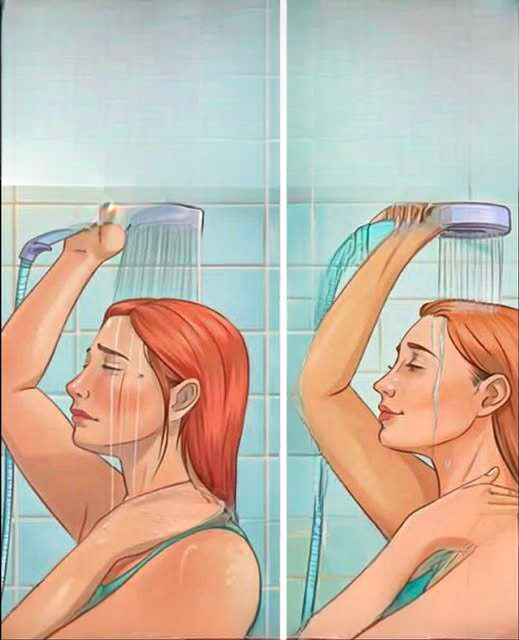
Bathing is a routine activity that most people perform without giving it much thought. For many individuals, taking a shower or bath is part of the rhythm of daily life—something done in the morning to start the day feeling refreshed or in the evening to relax and unwind. Warm water, pleasant scents, and the comforting sensation of cleanliness can make bathing feel like both a practical necessity and a form of self-care.
In many cultures, daily bathing is strongly associated with good hygiene and personal care. People often learn from an early age that regular washing helps remove dirt, sweat, and other substances that accumulate on the skin throughout the day. As a result, showering or bathing has become an essential habit for maintaining cleanliness and social comfort.
However, dermatologists and skin-care specialists increasingly point out that more frequent washing is not always better for the skin. While good hygiene remains important, excessive bathing—especially when combined with hot water, strong soaps, or long shower times—can sometimes affect the skin’s natural balance.
The skin is not simply a protective covering for the body; it is a complex organ that performs many important functions. It helps regulate body temperature, protects against environmental irritants, and acts as a barrier against harmful microorganisms. To perform these tasks effectively, the skin relies on a natural layer of oils and beneficial microorganisms that help maintain hydration and resilience.
When bathing habits disrupt this balance, some individuals may experience dryness, irritation, or increased sensitivity. These effects do not necessarily mean that bathing should be avoided. Instead, they highlight the importance of finding the right balance between cleanliness and skin health.
Health experts emphasize that bathing routines should be tailored to individual needs. Factors such as climate, physical activity level, skin type, and age can all influence how often someone should shower or bathe. Understanding how these factors interact with the body can help people develop habits that support both hygiene and overall well-being.
This article explores what dermatology experts and health professionals say about daily bathing. It examines how bathing affects the skin’s natural oils, the skin microbiome, hydration levels, and hair health. It also offers practical suggestions for creating a balanced hygiene routine that keeps the body clean while preserving the skin’s natural protective systems.
By learning how bathing routines influence the body, individuals can make informed decisions that support long-term skin comfort and health.
The Role of Skin in Overall Health
Before exploring how bathing habits affect the body, it is helpful to understand the structure and function of the skin itself.
The skin is the largest organ in the human body and performs several critical tasks. It acts as the first line of defense against environmental factors such as pollution, bacteria, temperature changes, and physical injury. At the same time, it helps regulate moisture levels and maintain internal balance.
The Skin’s Protective Barrier
One of the skin’s most important features is its protective outer layer. This layer contains a combination of cells, lipids, and natural oils that create a barrier between the body and the external environment.
This barrier helps prevent excessive water loss while blocking potentially harmful substances from entering the body. When the barrier is intact, the skin remains soft, flexible, and resilient.
However, certain habits—such as frequent washing with strong soaps or using extremely hot water—can weaken this protective layer. When that happens, the skin may lose moisture more easily, leading to dryness or irritation.
Natural Oil Production
The skin produces natural oils through glands known as sebaceous glands. These oils help keep the skin hydrated and provide a smooth surface that reduces friction and protects against environmental stress.
Natural oils also contribute to the skin’s slightly acidic surface, sometimes referred to as the acid mantle. This environment helps discourage harmful microorganisms from growing while supporting beneficial bacteria.
Because these oils are essential for healthy skin, removing them too frequently can disrupt the skin’s balance.
Why Bathing Feels So Refreshing
Despite potential concerns about over-washing, bathing remains an important and beneficial activity for both hygiene and comfort.
A warm shower or bath can provide several positive effects:
- Removing sweat and dirt from the skin
- Washing away environmental pollutants
- Refreshing the body after physical activity
- Promoting relaxation and stress relief
- Helping regulate body temperature
For many people, bathing also plays a role in mental well-being. The sensation of warm water and the quiet moments spent in the shower can provide an opportunity to relax and reset during a busy day.
These benefits explain why bathing is such an ingrained part of daily life. However, experts suggest that enjoying these benefits does not necessarily require extremely frequent or prolonged washing.
How Frequent Bathing Affects Natural Skin Oils
One of the most commonly discussed concerns related to frequent bathing is the removal of natural oils from the skin.
The Function of Natural Oils
Natural oils serve several essential purposes:
- Maintaining skin hydration
- Protecting against environmental irritants
- Supporting the skin’s natural barrier
- Preventing excessive dryness
When the skin retains its natural oils, it typically feels soft and comfortable. However, when these oils are stripped away repeatedly, the skin may begin to feel tight or rough.
Effects of Overwashing
Frequent washing—particularly with strong soaps or scrubbing tools—can remove oils faster than the skin can replace them. Over time, this may lead to:
- Dryness
- Mild irritation
- Flaking or rough patches
- Increased sensitivity
These effects may become more noticeable in individuals who already have naturally dry or sensitive skin.
Dermatology professionals often recommend observing how the skin feels after bathing. If dryness or discomfort appears regularly, adjusting the bathing routine may help restore balance.
Understanding the Skin Microbiome
Another important aspect of skin health involves the microorganisms that live on its surface.
The skin hosts a community of bacteria, fungi, and other microscopic organisms collectively known as the skin microbiome.
While the idea of bacteria on the skin may sound unpleasant, many of these microorganisms play helpful roles.
Benefits of the Skin Microbiome
Beneficial microbes help support the skin by:
- Competing with harmful bacteria
- Supporting immune responses
- Maintaining the skin’s natural balance
This ecosystem functions best when it remains relatively stable.
Effects of Excessive Cleansing
Frequent use of strong antibacterial products or aggressive scrubbing may disrupt the microbiome. When beneficial bacteria are reduced, the skin’s natural defenses may weaken.
This imbalance can sometimes contribute to:
- Increased sensitivity
- Dryness
- Skin irritation
For this reason, many dermatologists recommend using gentle cleansers rather than antibacterial soaps for everyday washing.
Antibacterial products are valuable in medical settings but are often unnecessary for routine hygiene at home.
The Impact of Water Temperature
Water temperature is another factor that can influence how bathing affects the skin.
Many people enjoy very hot showers, particularly during cold weather. However, extremely hot water can remove natural oils more quickly than warm water.
How Hot Water Affects the Skin
Hot water can:
- Dissolve natural oils more rapidly
- Increase skin dryness
- Cause temporary redness or irritation
- Leave the skin feeling tight after bathing
For individuals with sensitive or dry skin, these effects may become noticeable after repeated exposure.
Benefits of Warm Water
Health professionals generally recommend warm water rather than hot water for daily bathing. Warm water is usually sufficient for cleansing the skin without removing too much natural moisture.
Lower water temperatures may also feel more comfortable for people who experience sensitivity to heat.
Bathing Duration and Skin Health
The length of time spent in the shower or bath can also affect the skin.
Long showers may feel relaxing, but extended exposure to water can gradually weaken the skin’s protective barrier.
Effects of Prolonged Bathing
Spending long periods in water may:
- Remove natural oils
- Increase moisture loss after bathing
- Contribute to dryness
Dermatologists often suggest keeping showers relatively brief, typically around five to ten minutes.
Shorter showers reduce the risk of excessive oil removal while still allowing for effective cleansing.
Hair Care and Washing Frequency
Bathing habits also influence hair health.
Just like the skin, the scalp produces natural oils that help keep hair soft and manageable. Washing hair too frequently can remove these oils before they have time to nourish the hair shaft.
How Hair Type Affects Washing Needs
Different hair types require different care routines.
People with oily hair may prefer more frequent washing, while individuals with dry or curly hair often benefit from less frequent shampooing.
Many hair care professionals recommend washing hair several times per week rather than every day, though this can vary depending on lifestyle and personal preference.
Using gentle shampoos and conditioners can also help maintain the scalp’s natural balance.
Bathing and Age
Age can influence how the skin responds to bathing.
Children and Infants
Young children generally have delicate skin that can dry out easily. Pediatric experts often recommend gentle bathing routines with mild cleansers.
Adults
For most adults, daily bathing is safe when done with appropriate products and moderate water temperatures.
Older Adults
As people age, the skin tends to produce fewer natural oils. This means older adults may experience dryness more easily.
In such cases, reducing bathing frequency slightly or using moisturizing products may help maintain comfort.
Climate and Lifestyle Considerations
Environmental conditions and lifestyle habits can also influence bathing needs.
Hot and Humid Climates
People living in warm climates may sweat more frequently, making daily showers more comfortable.
Cold or Dry Climates
In colder regions, indoor heating and dry air may already contribute to skin dryness. In these environments, gentler bathing routines may be beneficial.
Physical Activity
Individuals who exercise regularly or work in physically demanding jobs may need to shower more often to remove sweat and maintain hygiene.
Balancing these factors helps create a routine that supports both cleanliness and skin health.
Choosing Gentle Cleansers
The type of soap or body wash used during bathing can have a significant impact on the skin.
Characteristics of Gentle Cleansers
Skin-friendly cleansers often:
- Contain mild ingredients
- Avoid strong fragrances
- Maintain a balanced pH level
These products help cleanse the skin without stripping away excessive oils.
Avoiding Harsh Products
Products with strong detergents or high alcohol content may contribute to dryness or irritation when used frequently.
Choosing milder alternatives can support long-term skin comfort.
The Importance of Moisturizing
Moisturizing is an important step that many dermatologists recommend after bathing.
Applying moisturizer shortly after leaving the shower helps trap moisture in the skin and restore the protective barrier.
When to Apply Moisturizer
The best time to apply moisturizer is when the skin is still slightly damp. This helps seal in hydration.
Benefits of Moisturizing
Regular moisturizing can:
- Improve skin hydration
- Reduce dryness
- Enhance the skin’s protective barrier
- Improve overall comfort
Different skin types may benefit from different types of moisturizers, ranging from lightweight lotions to richer creams.
Psychological Benefits of Bathing
Beyond physical hygiene, bathing can contribute to emotional well-being.
A warm bath or shower can create a calming environment that promotes relaxation. The quiet time spent bathing may also provide an opportunity for mindfulness or stress relief.
For many people, bathing serves as a daily ritual that helps signal transitions—such as preparing for the day ahead or winding down before sleep.
These psychological benefits are an important reason why bathing remains a valued part of daily routines.
Finding the Right Balance
Health experts emphasize that there is no universal rule for how often people should bathe.
Instead, the ideal bathing routine depends on individual factors such as:
- Skin type
- Climate
- Physical activity level
- Age
- Personal comfort
For many adults, bathing once per day works well when combined with gentle products and moderate water temperatures.
Others may find that showering every other day better supports their skin’s hydration levels.
Listening to the body’s signals—such as dryness or irritation—can help guide adjustments to personal routines.
Practical Tips for Healthy Bathing
Experts often recommend a few simple habits to maintain skin health while enjoying the benefits of bathing:
- Use warm rather than hot water.
- Keep showers relatively short.
- Choose mild soaps or cleansers.
- Avoid excessive scrubbing.
- Apply moisturizer after bathing.
- Wash hair based on individual hair type rather than daily by default.
- Pay attention to how the skin responds to different routines.
These small adjustments can help protect the skin’s natural balance.
Conclusion
Bathing is an essential part of personal hygiene and a daily routine that many people enjoy. A refreshing shower or relaxing bath can remove sweat, promote cleanliness, and provide a moment of comfort in busy lives.
At the same time, dermatology experts remind us that the skin functions best when its natural protective systems remain intact. Excessive washing, very hot water, and harsh cleansers can sometimes disrupt these systems, leading to dryness or irritation.
The key to healthy bathing habits lies in moderation. By choosing gentle products, maintaining moderate water temperatures, and moisturizing after bathing, individuals can support their skin while continuing to enjoy the refreshing benefits of daily hygiene.
Ultimately, the most effective routine is one that respects both cleanliness and the skin’s natural balance. By paying attention to the body’s signals and making thoughtful adjustments when necessary, people can maintain healthy skin and comfortable bathing habits for years to come.