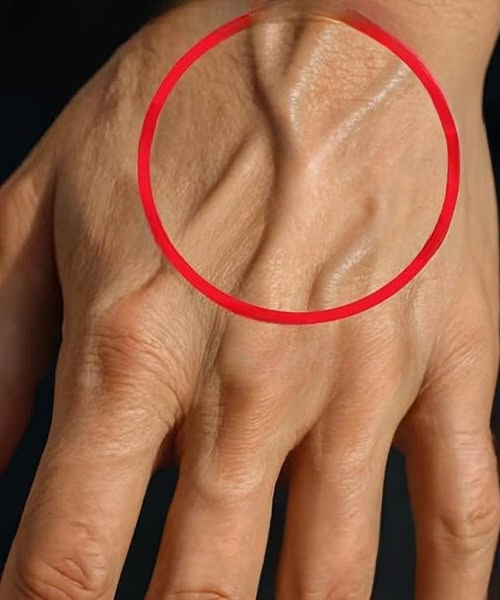
When people notice changes in their bodies, it is natural to wonder whether those changes might signal something about overall health. One common observation involves the veins on the hands. At times they may appear more visible, slightly raised, or darker in color than usual. For some individuals, this can prompt concern, especially after encountering online claims suggesting that prominent veins might indicate kidney problems.
While the idea may sound convincing at first, the relationship between visible veins and kidney health is often misunderstood. In reality, most cases of noticeable hand veins are completely normal and are usually influenced by factors such as age, body composition, hydration, and genetics.
Understanding what visible veins truly indicate—and what they do not—can help prevent unnecessary worry. It also encourages people to focus on the medical signs that actually relate to kidney function. This article explores why veins become more noticeable, how kidney disease typically presents itself, and when changes in the body may require medical attention.
Why Veins on the Hands Sometimes Become More Visible
The veins in the human body form a vast network responsible for returning blood to the heart after it has circulated through tissues. On the hands, many of these veins run close to the surface of the skin. Because of this placement, they can sometimes become more noticeable.
In most cases, visible hand veins are simply part of normal anatomy. Several everyday factors influence how prominent they appear.
Aging and Changes in the Skin
One of the most common reasons veins become more visible is aging. As people grow older, the skin gradually becomes thinner and loses some of the collagen and elasticity that once made it firm.
This thinning process makes underlying structures easier to see, including veins. The veins themselves are not necessarily changing; rather, the skin covering them is becoming less dense.
At the same time, the layer of fat beneath the skin—called subcutaneous fat—may decrease with age. When this cushioning layer becomes thinner, veins naturally appear more pronounced.
For this reason, many older adults notice that their hand veins are more visible than they were earlier in life. This is considered a normal part of aging rather than a medical problem.
Body Fat and Lean Physiques
Body composition also plays a significant role in vein visibility.
People with lower levels of body fat tend to have veins that appear more prominent, especially in areas such as the hands, arms, and feet. Athletes and individuals who maintain very lean physiques often notice this effect.
With less fat covering the blood vessels, veins lie closer to the skin’s surface and become easier to see. This phenomenon is particularly noticeable in physically active individuals.
Again, this is a normal anatomical variation and does not indicate illness.
Genetics and Natural Vascular Patterns
Genetics strongly influence how veins appear.
Some individuals naturally have more visible veins due to inherited differences in skin thickness, vein structure, and connective tissue. If prominent veins run in your family, it is likely that the trait is simply genetic.
These inherited characteristics can affect how veins appear on the hands, arms, and other parts of the body.
Because genetics shape many aspects of physical appearance, vein visibility can vary widely from person to person.
Exercise and Increased Blood Flow
Physical activity can temporarily make veins appear larger or more noticeable.
During exercise, muscles require more oxygen and nutrients. The body responds by increasing blood flow to working muscles. As blood vessels expand to accommodate this flow, veins may become more prominent.
This effect is usually temporary. After exercise ends and the body returns to a resting state, the veins gradually return to their normal appearance.
Many people observe this change during weightlifting, running, or other forms of physical training.
Heat and Blood Vessel Expansion
Temperature can also affect how veins appear.
When the body is exposed to warmth—whether from weather, hot showers, or physical activity—blood vessels widen in a process called vasodilation. This helps regulate body temperature by allowing heat to escape through the skin.
As vessels expand, veins may appear more noticeable on the hands or arms. Once the body cools down, they usually return to their typical appearance.
This response is part of the body’s natural temperature regulation system.
Hydration Levels
Hydration plays an important role in circulation.
When a person becomes mildly dehydrated, the volume of fluid in the bloodstream can decrease slightly. This may make veins appear more pronounced temporarily.
Once normal hydration is restored, vein appearance often returns to baseline.
Mild dehydration is common and easily corrected by drinking fluids. Visible veins alone do not indicate kidney damage or chronic health conditions.
Understanding the Role of the Kidneys
To understand why visible veins are rarely linked to kidney problems, it is helpful to examine the actual functions of the kidneys.
The kidneys are two bean-shaped organs located near the lower back on each side of the spine. They perform several vital tasks that help maintain the body’s internal balance.
Their primary responsibilities include:
- Filtering waste products from the bloodstream
- Removing excess fluids through urine
- Regulating blood pressure
- Maintaining electrolyte balance
- Supporting red blood cell production
- Helping control acid and mineral levels in the body
These functions occur through a complex filtration system composed of millions of tiny structures called nephrons.
Because the kidneys influence multiple systems within the body, kidney disease often produces symptoms related to fluid balance, energy levels, and blood chemistry—not changes in the appearance of hand veins.
How Kidney Disease Typically Develops
Kidney disease generally develops gradually, especially in its early stages.
One of the most common forms is chronic kidney disease (CKD), which occurs when the kidneys slowly lose their ability to filter waste effectively. This process may take months or even years.
Many people with early kidney disease experience few noticeable symptoms at first. For this reason, routine medical testing often plays an important role in detecting the condition.
As kidney function declines, certain signs may begin to appear.
Fluid Retention and Swelling
One hallmark symptom of kidney dysfunction is fluid retention.
Because the kidneys help regulate the body’s fluid balance, impaired function can lead to the buildup of excess fluid in tissues. This condition is known as edema.
Edema commonly causes swelling in areas such as:
- The feet
- Ankles
- Hands
- Legs
- Around the eyes
This swelling can make the skin appear puffy or stretched. Interestingly, fluid retention often has the opposite effect on veins compared to dehydration.
Instead of making veins more visible, swelling may actually make them harder to see.
Changes in Urination
Alterations in urination patterns can also signal kidney problems.
These changes may include:
- Urinating more frequently or less frequently than usual
- Producing unusually small or large amounts of urine
- Waking up multiple times during the night to urinate
- Urine that appears foamy, dark, or cloudy
Foamy urine may occur when excess protein leaks into the urine due to kidney filtration problems.
Fatigue and Weakness
Kidney disease can lead to fatigue.
When kidney function declines, waste products may accumulate in the bloodstream. Additionally, the kidneys help stimulate red blood cell production. Reduced function may contribute to anemia, which can cause tiredness and weakness.
People experiencing persistent fatigue often seek medical evaluation to identify underlying causes.
High Blood Pressure
High blood pressure is both a cause and a consequence of kidney disease.
The kidneys play an important role in regulating blood pressure by controlling fluid balance and hormone signals. When kidney function declines, blood pressure may rise and become difficult to manage.
Long-term hypertension can also damage kidney blood vessels, creating a cycle that worsens kidney health.
Nausea and Appetite Changes
In more advanced stages of kidney disease, waste buildup in the bloodstream can lead to digestive symptoms.
Some individuals may experience:
- Nausea
- Loss of appetite
- Metallic taste in the mouth
- Unintentional weight loss
These symptoms usually appear later in the disease process.
Why Visible Veins Are Not a Reliable Indicator of Kidney Disease
When examining the symptoms commonly associated with kidney dysfunction, one thing becomes clear: visible veins are not among them.
Kidney disease primarily affects fluid balance, blood chemistry, and waste removal. These internal processes do not typically influence the appearance of veins in the hands.
In fact, as mentioned earlier, fluid retention caused by kidney problems may actually reduce vein visibility rather than increase it.
Because of this, medical professionals do not consider prominent hand veins a diagnostic sign of kidney disease.
The Relationship Between Fluid Balance and Vein Appearance
Fluid balance plays an important role in how veins appear.
When the body retains excess fluid—such as during kidney dysfunction—tissues may swell. This swelling can stretch the skin and reduce the prominence of veins.
In contrast, dehydration decreases the fluid component of blood, which may temporarily make veins appear more noticeable.
These changes are usually mild and reversible. Drinking fluids restores normal hydration, while medical treatment may address conditions that cause fluid retention.
However, neither scenario alone provides reliable information about kidney health.
Situations Where Kidney Treatment Affects Vein Appearance
Although visible veins are not a symptom of kidney disease, there is one medical situation in which kidney treatment can make veins appear larger.
This occurs in patients with severe kidney failure who require dialysis.
Arteriovenous Fistulas and Dialysis Access
Dialysis is a treatment used when the kidneys can no longer effectively filter waste from the blood.
To perform dialysis, healthcare providers often create a surgical connection between an artery and a vein in the arm. This connection is known as an arteriovenous (AV) fistula.
The purpose of the fistula is to strengthen and enlarge the vein so that it can handle the repeated insertion of dialysis needles.
Over time, the vein used for the fistula becomes:
- Thicker
- Wider
- More visible beneath the skin
These changes are expected and are considered a sign that the fistula is functioning properly.
However, it is important to note that the visible vein results from the medical procedure—not from kidney disease itself.
When Changes in Veins May Require Medical Attention
Although visible veins are usually harmless, certain symptoms involving veins should be evaluated by a healthcare professional.
These include:
- Sudden swelling or pain along a vein
- Redness or warmth around the area
- Hard or tender veins
- Significant color changes in the skin
These symptoms could indicate vascular issues such as inflammation or circulation problems.
While these conditions are unrelated to kidney disease, they still warrant medical evaluation.
Other Factors That Influence Vein Visibility
Beyond aging, hydration, and genetics, several additional factors may influence how veins appear.
Sun Exposure
Long-term sun exposure can affect skin structure.
Ultraviolet (UV) radiation may accelerate the breakdown of collagen, leading to thinner skin over time. As skin becomes thinner, underlying veins may become easier to see.
Using sunscreen and protecting the skin from excessive sun exposure can help maintain skin health.
Hormonal Changes
Hormonal shifts—such as those occurring during pregnancy, menopause, or certain medical treatments—can influence blood circulation and vessel elasticity.
These changes may affect how veins appear in some individuals.
Temporary Circulatory Changes
Certain activities can temporarily alter blood flow.
For example:
- Carrying heavy objects
- Holding arms below heart level for extended periods
- Tight clothing or accessories
These situations may make veins appear larger for a short time before returning to normal.
Understanding the Importance of Medical Testing
Because kidney disease often develops silently in its early stages, medical testing is the most reliable way to assess kidney health.
Healthcare providers typically use several tests to evaluate kidney function.
Blood Tests
Blood tests measure substances that the kidneys normally filter from the bloodstream.
Two key indicators include:
- Creatinine levels
- Estimated glomerular filtration rate (eGFR)
These measurements help determine how effectively the kidneys are filtering waste.
Urine Analysis
Urine tests can detect abnormal substances such as protein or blood.
Protein in the urine may indicate that the kidneys are not filtering properly.
Blood Pressure Monitoring
Because high blood pressure is closely linked to kidney health, monitoring blood pressure is an important part of kidney disease evaluation.
Imaging Studies
In some cases, imaging tests such as ultrasound may be used to examine kidney structure and detect abnormalities.
These diagnostic tools provide accurate information that visual observations alone cannot provide.
Maintaining Healthy Kidneys
Even though visible veins do not reflect kidney health, taking steps to support kidney function is important for overall well-being.
Several lifestyle habits can promote kidney health.
Staying Hydrated
Drinking adequate water helps the kidneys remove waste products efficiently.
Hydration needs vary depending on activity level, climate, and health conditions, but maintaining consistent fluid intake supports normal kidney function.
Managing Blood Pressure
High blood pressure is a major risk factor for kidney disease.
Maintaining healthy blood pressure through diet, exercise, and medical care when necessary can protect kidney health.
Eating a Balanced Diet
A diet rich in fruits, vegetables, whole grains, and lean proteins supports overall health.
Reducing excessive salt intake can also help maintain proper fluid balance and blood pressure levels.
Regular Physical Activity
Exercise improves circulation, supports heart health, and contributes to maintaining a healthy weight—all factors that benefit kidney function.
Routine Medical Checkups
Regular health screenings can detect early signs of kidney problems before symptoms appear.
Early detection allows for better management and improved outcomes.
The Importance of Accurate Health Information
Health information spreads quickly online, but not all sources provide accurate or evidence-based guidance.
Misinterpretations—such as linking visible hand veins to kidney disease—can create unnecessary anxiety.
Relying on credible medical sources and consulting healthcare professionals helps ensure that health concerns are addressed appropriately.
Understanding how the body works also allows individuals to recognize which symptoms truly require attention.
Final Thoughts
Noticing prominent veins on the hands can understandably lead people to wonder whether something about their health has changed. However, in most cases, visible veins are simply a normal feature influenced by factors such as aging, body composition, genetics, hydration, and temperature.
Current medical knowledge does not support a link between visible hand veins and kidney disease. Kidney conditions typically present with symptoms related to fluid retention, blood pressure changes, fatigue, and alterations in urination patterns.
In rare cases, veins may appear larger in individuals undergoing dialysis treatment due to the presence of a surgically created access point. Even then, the visible veins result from the medical procedure rather than the disease itself.
If concerns about kidney health arise, the most reliable approach is proper medical evaluation through blood tests, urine analysis, and professional consultation.
Your hands can reveal many things—such as signs of aging, hydration levels, and circulation patterns—but assessing kidney function requires scientific testing rather than visual clues alone.
Understanding this distinction helps people focus on meaningful health indicators while avoiding unnecessary worry about normal physical variations.