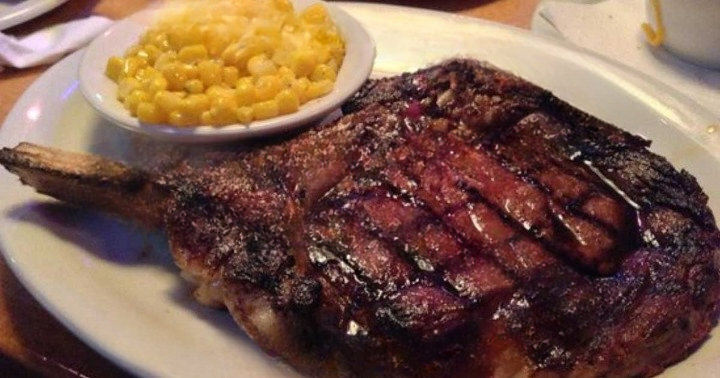
Eating at restaurants is one of life’s great pleasures. Whether it’s a quick lunch with coworkers, a family dinner, or a celebration with friends, dining out offers convenience, variety, and the opportunity to try foods we may not make at home. Restaurants also play an important role in local communities, providing jobs, supporting suppliers, and bringing people together.
However, like any industry, the restaurant world has its own behind-the-scenes realities. Staff members—from servers and kitchen workers to managers—often see how food is prepared, stored, and served on a daily basis. Because of this firsthand experience, many restaurant employees develop personal preferences about what they choose to order when they dine out themselves.
Over the years, former restaurant workers have shared insights about certain menu items they personally approach with caution. These insights do not mean that the foods are unsafe or that restaurants intentionally serve poor-quality meals. In fact, the vast majority of restaurants follow strict food safety guidelines and health regulations. Instead, these stories highlight how preparation methods, storage practices, or timing can influence the quality of certain dishes.
Understanding these perspectives can help diners make more informed choices when ordering at restaurants. It can also encourage customers to ask questions, choose dishes that are freshly prepared, and appreciate the work that goes into maintaining high standards in busy kitchens.
Below are ten types of menu items that some former restaurant employees say they personally avoid ordering—along with the reasons behind their choices and tips for customers who still want to enjoy them confidently.
1. Seafood Specials Late in the Week
Seafood is one of the most delicious and nutritious categories on many restaurant menus. From grilled salmon to fresh oysters, seafood dishes are often considered premium items that many diners look forward to.
However, some former restaurant workers say they are cautious about ordering certain seafood specials—especially later in the week. The reason has less to do with safety and more to do with freshness.
Many restaurants receive seafood deliveries on specific days. When a restaurant is approaching its next delivery date, chefs may create “specials” to use remaining inventory efficiently. This is a common and perfectly normal business practice in the restaurant industry. After all, minimizing food waste is important for both environmental and financial reasons.
Still, some staff members say they personally prefer to order seafood earlier in the delivery cycle, when ingredients are most likely to be freshly received.
Tips for diners
If you enjoy seafood specials, there are simple ways to make confident choices:
-
Ask your server which seafood dishes are most popular that day.
-
Look for menu items that are house specialties.
-
Visit restaurants that are known for seafood, where ingredients are turned over quickly.
Restaurants that specialize in seafood typically have high demand for these dishes, which means ingredients are used quickly and replenished frequently.
2. Ice From Machines That Aren’t Regularly Maintained
Ice might seem like a simple addition to drinks, but it is actually considered a food product in restaurant health regulations. Ice machines require regular cleaning and maintenance to ensure they remain sanitary.
Former restaurant employees sometimes mention that ice machines can be overlooked during routine cleaning schedules if the restaurant is extremely busy. When equipment is not cleaned regularly, it can develop buildup that affects the quality of the ice.
That said, health departments require restaurants to maintain equipment like ice machines properly. Responsible restaurants clean and inspect them on a regular schedule.
Tips for diners
If you’re concerned about ice quality, consider:
-
Ordering beverages without ice.
-
Choosing bottled or canned drinks.
-
Dining at restaurants with strong health inspection scores.
Most restaurants take food safety very seriously, but these small choices can provide extra peace of mind.
3. Certain Chicken Dishes That Require Fast Preparation
Chicken is one of the most widely consumed proteins in restaurants. It’s versatile, affordable, and used in countless recipes—from grilled chicken sandwiches to burrito bowls and salads.
Some former kitchen workers say they are particularly careful about ordering chicken dishes at restaurants that rely heavily on fast assembly lines during busy hours. In high-volume kitchens, cooks may be preparing large quantities of chicken quickly, which requires careful temperature control and timing.
Professional kitchens are trained to follow strict cooking temperature guidelines to ensure food safety. However, employees say the risk of inconsistent cooking can increase when kitchens are extremely busy or understaffed.
Tips for diners
To enjoy chicken dishes confidently:
-
Order from restaurants with good reputations for quality control.
-
Choose dishes where chicken is grilled or cooked to order.
-
Avoid ordering during extremely busy rush periods if you’re concerned about preparation quality.
Most restaurants follow proper cooking procedures, but these small strategies can improve the chances of getting the freshest possible meal.
4. Foods That Sit in Warm Holding Containers for Long Periods
In fast-service restaurants, certain ingredients are prepared in batches and held in warming containers so they can be quickly assembled into meals.
Items like sauces, beans, soups, and stews are commonly kept warm throughout the day to maintain efficiency. This is a normal and widely accepted practice in commercial kitchens, provided that food temperatures are properly maintained.
However, some restaurant employees say they personally prefer items that are freshly prepared rather than dishes that may have been sitting in warming stations for several hours.
Over time, ingredients can lose texture and flavor—even when kept at safe temperatures.
Tips for diners
If you want the freshest possible meal:
-
Ask whether a dish can be prepared fresh.
-
Order items that are made to order.
-
Visit restaurants during peak meal times, when ingredients are being replenished frequently.
These simple steps can help ensure you enjoy dishes at their best.
5. Highly Processed Sandwich Fillings
Some sandwiches and specialty menu items rely on pre-processed ingredients supplied by food distributors. These products are designed for consistency and convenience in busy kitchens.
While many processed foods are perfectly safe and widely used in restaurants, some employees say they personally avoid items that rely heavily on pre-formed or pre-seasoned meat products.
Their preference is simply based on taste and quality—many workers who spend time in kitchens develop an appreciation for dishes made from fresh ingredients.
Tips for diners
If you prefer less processed meals:
-
Choose sandwiches made with freshly grilled or roasted meats.
-
Look for menu descriptions mentioning house-made ingredients.
-
Visit restaurants known for scratch cooking.
These options often provide richer flavors and more satisfying textures.
6. Large-Batch Condiments
Condiments such as mayonnaise, dressings, and sauces are often delivered to restaurants in large containers designed for commercial kitchens.
Former restaurant workers sometimes mention that these containers can occasionally separate or change texture after long storage periods. This doesn’t necessarily mean the product is unsafe—it simply may not taste as fresh as smaller portions.
Restaurants typically follow expiration guidelines and food safety rules for all ingredients, but some employees say they personally prefer condiments prepared in smaller batches.
Tips for diners
To enjoy better flavor:
-
Ask for condiments on the side.
-
Choose dishes with house-made sauces.
-
Request fresh toppings when possible.
These small changes can enhance the quality of your meal.
7. Buffet Items That Have Been Sitting Out
Buffets can be a fun and convenient dining experience, offering a wide variety of dishes for guests to sample.
However, buffet food is typically prepared in advance and kept warm for extended periods of time. Even when temperatures are properly maintained, food quality may decline as dishes sit under heat lamps.
Former buffet employees sometimes say they prefer items that have just been placed on the serving line rather than dishes that may have been there longer.
Tips for buffet dining
To enjoy the best experience:
-
Visit buffets during busy times, when food is replaced frequently.
-
Choose dishes that look fresh and recently prepared.
-
Avoid items that appear dry or overexposed to heat.
These strategies help ensure you get the best version of each dish.
8. Frozen Cuts of Meat at Some Restaurants
Steaks are often considered a highlight of many restaurant menus. High-end steakhouses typically receive fresh cuts of meat and prepare them in-house.
However, some casual restaurants receive certain cuts of meat pre-packaged and frozen from suppliers. While frozen meat can still be perfectly safe and tasty, some employees say they personally prefer restaurants that cut and prepare steaks fresh.
Fresh cuts often provide better texture and flavor when cooked properly.
Tips for steak lovers
If you want the highest quality steak:
-
Visit restaurants known specifically for steak or grilled meats.
-
Ask your server about the restaurant’s meat sourcing.
-
Choose cuts that are prepared fresh in-house.
These steps can help ensure a great dining experience.
9. Seafood at Restaurants That Don’t Specialize in It
Seafood requires careful storage, quick turnover, and proper preparation to maintain its best flavor and quality.
Because of this, some restaurant workers say they prefer to order seafood only at restaurants that specialize in it. Restaurants that focus on seafood typically receive frequent deliveries and have chefs trained specifically in preparing those dishes.
That doesn’t mean other restaurants serve poor seafood—but specialization often leads to greater consistency.
Tips for diners
When ordering seafood:
-
Choose restaurants with strong seafood reputations.
-
Look for menu descriptions mentioning fresh catch or daily specials.
-
Ask servers which seafood dishes are most popular.
These clues can help you select dishes that are likely prepared with care.
10. Daily Specials Made From Leftover Ingredients
Daily specials are a common and creative feature in restaurants. Chefs often design specials to highlight seasonal ingredients, experiment with new recipes, or reduce food waste.
While many specials are exciting culinary creations, some restaurant workers say that in certain kitchens, specials may occasionally be used to repurpose ingredients that need to be used quickly.
This doesn’t mean the food is unsafe—restaurants are required to follow strict food safety standards. However, some employees say they personally prefer menu items that are part of the restaurant’s regular lineup.
Tips for diners
If you enjoy specials:
-
Ask your server why the dish is featured.
-
Choose specials that highlight seasonal ingredients.
-
Look for dishes that sound carefully crafted, rather than improvised.
Many specials are actually the most creative items on the menu.
Why These Insights Matter
It’s important to remember that the restaurant industry is built on professionalism, food safety regulations, and customer satisfaction. Health departments conduct regular inspections, and responsible restaurant owners work hard to maintain high standards.
The perspectives shared by former restaurant workers should not be interpreted as universal truths about all restaurants. Instead, they offer insight into how food preparation works behind the scenes.
For diners, these stories can serve as helpful reminders to:
-
Ask questions about menu items
-
Choose restaurants with strong reputations
-
Pay attention to freshness and preparation methods
By doing so, customers can enjoy their meals with confidence while supporting restaurants that prioritize quality and care.
The Bottom Line
Dining out should be an enjoyable experience, not a stressful one. Restaurants around the world work hard to deliver delicious meals and memorable moments for their guests.
Insights from former restaurant employees simply highlight the importance of freshness, preparation practices, and ingredient quality. When diners understand these factors, they can make choices that align with their personal preferences.
Ultimately, the best way to ensure a great restaurant experience is to:
-
Visit reputable establishments
-
Read reviews and health inspection reports
-
Communicate with servers about menu items
With a little awareness and curiosity, dining out can remain one of life’s most enjoyable experiences—filled with great food, good company, and new culinary discoveries.