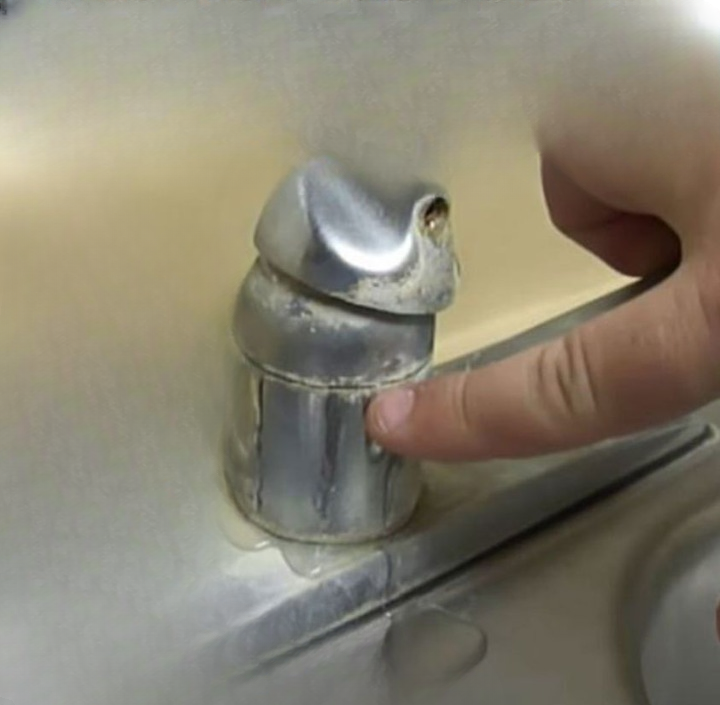
Keeping a kitchen or bathroom clean is one of the most satisfying parts of maintaining a comfortable home. Fresh countertops, shining fixtures, and spotless sinks can make the entire room feel brighter and more inviting. However, even when we clean regularly, certain stains seem to return again and again. One of the most common culprits is hard water.
If you’ve ever noticed cloudy white marks on your faucet, dull streaks around the sink, or stubborn mineral spots that won’t disappear no matter how much you wipe them, chances are you’re dealing with hard water deposits. These stains can make even the cleanest sink look older than it really is.
The good news is that removing these marks is often easier than people think. With a few household items and a little patience, you can restore the shine to your sink and faucet without using harsh chemicals or expensive cleaning products.
In this guide, we’ll explore what hard water stains are, why they appear, and several effective ways to remove them safely. You’ll also learn a few helpful maintenance habits that can keep your fixtures looking clean for years to come.
Understanding Hard Water and Why It Leaves Stains
Before tackling the stains themselves, it helps to understand what causes them.
Hard water is simply water that contains higher levels of dissolved minerals, most commonly calcium and magnesium. These minerals occur naturally when water passes through rock and soil before reaching your home.
While hard water is generally safe to use for washing, cooking, and cleaning, it can leave behind mineral residue when it dries. Over time, these tiny deposits accumulate on surfaces that come into frequent contact with water.
You’ll usually notice them in places such as:
-
Kitchen sinks
-
Bathroom sinks
-
Faucets and tap handles
-
Shower doors
-
Tiles around sinks and tubs
-
Stainless steel fixtures
When water evaporates, the minerals remain behind, forming chalky white spots or cloudy patches. These marks are what we call hard water stains.
At first, they may seem minor. But if they’re not removed regularly, they can gradually build up and become more noticeable.
Why Hard Water Stains Are Difficult to Remove
Many people try wiping these marks away with regular soap or standard cleaning sprays. Unfortunately, mineral deposits don’t always respond well to those methods.
The reason is simple: soap is designed to break down oils and dirt, not mineral buildup. Hard water stains are essentially tiny layers of minerals bonded to the surface of your fixtures.
Because of this, removing them usually requires a mild acid that can dissolve those minerals safely.
That’s where common household ingredients like vinegar come in handy.
A Simple Household Method for Removing Hard Water Stains
One of the easiest and most effective solutions for mineral buildup uses an item many people already have in their kitchen: distilled white vinegar.
Vinegar is mildly acidic, which makes it excellent for dissolving mineral deposits without damaging most common household surfaces.
Supplies You’ll Need
You don’t need many tools for this cleaning method. Gather the following items:
-
Distilled white vinegar
-
A clean cloth, rag, or paper towel
-
A non-abrasive sponge (such as a soft kitchen sponge)
-
Warm water
-
Optional: a small bowl or spray bottle
This simple combination is usually enough to tackle most mineral stains.
Step-by-Step Cleaning Process
1. Soak the Cloth with Vinegar
Begin by pouring a small amount of distilled white vinegar into a bowl or directly onto your cleaning cloth. The cloth should be damp but not dripping.
The vinegar will help break down the mineral deposits that form hard water stains.
2. Place the Cloth Over the Stained Area
Lay the vinegar-soaked cloth directly on the areas with visible stains.
For faucets, you can wrap the cloth around the base or around the parts where mineral buildup is most noticeable.
For sinks, spread the cloth over the spots where you see cloudy marks.
3. Let the Vinegar Sit
Allow the cloth to remain on the stained area for about 30 to 60 minutes.
During this time, the vinegar will slowly dissolve the mineral deposits.
If the stain is light, half an hour may be enough. Older or thicker buildup might need closer to an hour.
4. Remove the Cloth and Gently Scrub
After the waiting period, remove the cloth and use a soft sponge to gently scrub the area.
You don’t need to apply excessive pressure. The vinegar should have loosened the minerals, making them easier to remove.
Move the sponge in small circular motions until the stain begins to disappear.
5. Rinse with Warm Water
Once the stains are gone, rinse the area with warm water.
This step washes away any remaining vinegar and loosened mineral residue.
6. Dry the Surface
Finally, wipe the sink or faucet with a dry cloth.
Drying the surface helps prevent new water spots from forming immediately.
What to Do if the Stains Are Very Old
Sometimes hard water deposits have been building up for months or even years. In those cases, the stains may not disappear completely after one cleaning session.
If that happens, don’t worry. Simply repeat the process.
Two or three treatments are usually enough to remove even stubborn mineral buildup.
Patience often produces the best results.
Other Natural Cleaning Options
While vinegar is one of the most popular solutions, it’s not the only method available.
Here are a few additional options that can also help remove hard water stains safely.
Baking Soda Paste
Baking soda works as a gentle abrasive that can help scrub away mineral buildup.
To make a cleaning paste:
-
Mix baking soda with a small amount of water.
-
Stir until it forms a thick paste.
-
Apply the paste to the stained area.
-
Gently scrub with a sponge.
-
Rinse thoroughly.
This method works well for sinks made of porcelain or stainless steel.
Lemon Juice
Lemon juice is another natural acid that helps dissolve mineral deposits.
Simply squeeze fresh lemon juice onto the stain or apply it with a cloth. Let it sit for about 20 minutes before wiping and rinsing.
Besides removing stains, lemon juice also leaves a pleasant fresh scent.
Vinegar Spray Method
For routine cleaning, you can also use vinegar in a spray bottle.
-
Fill a spray bottle with equal parts vinegar and water.
-
Spray the solution onto sinks and faucets.
-
Let it sit for 10–15 minutes.
-
Wipe clean with a soft cloth.
This quick method is great for preventing stains from building up.
Surfaces Where Vinegar Should Be Used Carefully
Although vinegar is very useful, it should not be used on every surface.
Avoid using vinegar on:
-
Natural stone such as marble or granite
-
Certain coated finishes
-
Some specialty metal fixtures
The acid in vinegar can sometimes dull delicate materials.
If you’re unsure, test the solution on a small hidden spot first.
Preventing Hard Water Stains in the Future
Cleaning stains is helpful, but preventing them in the first place saves time and effort.
Here are some simple habits that can reduce the appearance of hard water deposits.
Wipe Surfaces Dry After Use
One of the easiest solutions is also the most effective.
After using the sink or faucet, wipe the area with a dry cloth.
Removing excess water prevents minerals from being left behind when the water evaporates.
Clean Fixtures Weekly
Regular cleaning prevents mineral buildup from becoming thick and stubborn.
A quick weekly wipe with a mild cleaning solution can keep surfaces shiny.
Install a Faucet Aerator Filter
Some homeowners install small faucet filters that reduce mineral buildup.
These inexpensive attachments can help minimize staining over time.
Consider a Water Softener
If hard water stains appear frequently throughout the home, the water supply may contain a high mineral concentration.
A water softening system can reduce these minerals before they reach your plumbing fixtures.
Although installing a softener is a larger investment, many households find it worthwhile.
Why Natural Cleaning Methods Are Popular
Many people prefer natural cleaning methods for several reasons.
First, they are usually inexpensive. Vinegar, baking soda, and lemons are affordable and widely available.
Second, they reduce the need for strong chemical cleaners that may have strong odors or require protective gloves.
Finally, natural solutions are versatile. The same ingredients used to clean hard water stains can also be helpful for many other household tasks.
Common Places Where Hard Water Stains Appear
Hard water deposits don’t just affect sinks and faucets.
You might also notice them in places like:
-
Shower heads
-
Glass shower doors
-
Bathtubs
-
Tile grout
-
Dishwashers
-
Coffee makers
Using mild acidic cleaners can often help remove mineral buildup from these surfaces as well.
Why Regular Maintenance Matters
Small cleaning habits can make a huge difference over time.
When mineral deposits accumulate for months, they become thicker and harder to remove. But if they’re cleaned regularly, they rarely reach that stage.
Many homeowners find that spending just a few minutes each week maintaining sinks and faucets keeps them looking brand new.
A Quick Routine for Sparkling Fixtures
If you want a simple maintenance routine, try this approach:
-
Wipe sinks and faucets dry each evening.
-
Spray a vinegar solution once a week.
-
Polish with a soft cloth.
This routine takes only a few minutes but can keep fixtures shining year-round.
The Satisfaction of a Clean Sink
There’s something surprisingly satisfying about restoring a dull fixture to its original shine.
Hard water stains can make even a freshly cleaned room feel unfinished. Once those marks disappear, the entire space often looks brighter and more polished.
Fortunately, the process doesn’t require professional tools or complicated steps.
With just a little vinegar, a soft cloth, and some patience, it’s possible to remove many stains and keep surfaces looking fresh.
Final Thoughts
Hard water stains are one of the most common household cleaning challenges. They appear gradually and often seem stubborn at first.
However, understanding what causes them makes the solution much easier.
Mineral deposits can usually be dissolved with mild acids such as vinegar or lemon juice. Combined with gentle scrubbing and consistent cleaning habits, these methods can restore the appearance of sinks and faucets quickly.
Best of all, these techniques rely on simple ingredients that many households already have on hand.
With regular care and the occasional deep clean, your fixtures can stay bright, clean, and free from cloudy mineral buildup.
And the next time you notice those familiar white spots forming, you’ll know exactly what to do.